It was time for a trip: I hadn’t been to Finland since 2017 due to work and travel restrictions during COVID-19, and I hadn’t seen friends in Greenland, Norway and Iceland in many years either.
So, when Canadian North and Air Greenland offered a reasonable seasonal flight via Iqaluit to Nuuk this past summer, I decided to book a north-to-north trip to Finland. I started in mid-September via Iqaluit, to Nuuk, Reykjavik and then to Helsinki.
I had never gone to Finland that way. Later, in October, I would add a side trip from Finland to Oslo.
Is travelling across the Arctic in this way ambitious? Yes, it is, for now. That’s because the north-to-north route is still in the development stage—for example, a variety of issues at the new Nuuk International Airport would keep me in Nuuk for two bonus (but unplanned) days. These kinds of delays may all change after the airport’s official opening in November 2024 and then, in 2025, when the big U.S. airline United looks to add Nuuk to its list of destinations.
Would I do my trip the north-to-north way again? Yes, because I would have missed seeing Nuuk and the old friends I saw there, and, even more so, because on the way to Reykjavik, the Air Greenland flight stopped off briefly for a customs check in beautiful Kulusuk in eastern Greenland before heading on to Iceland.
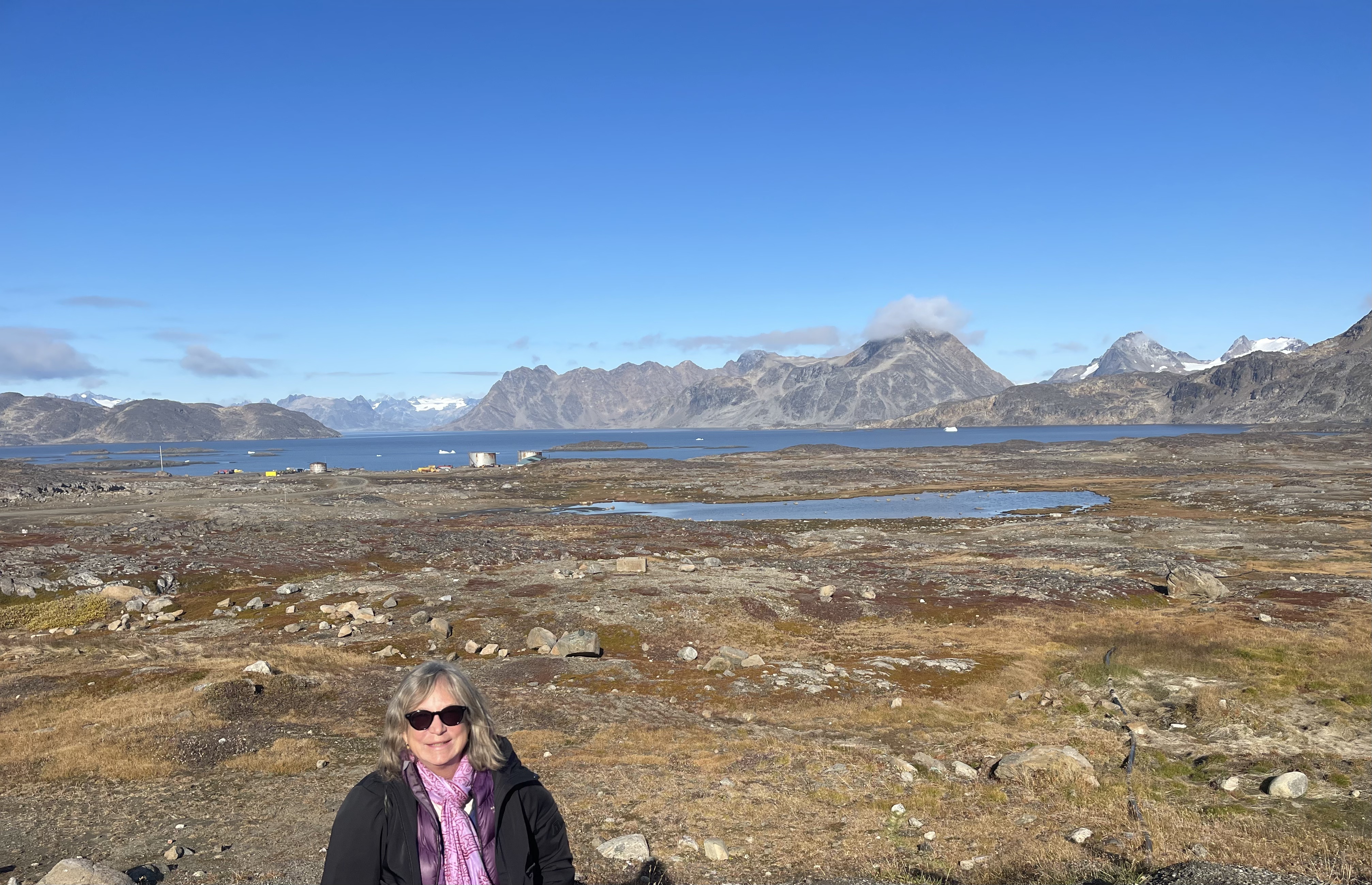
Here’s some listicles with photos from this trip which ends soon. If there’s a theme to my weeks here, it looks like it’s been food, friends and art. Maybe if you are in these destinations, my listicles will offer some ideas.
Favourite museums:
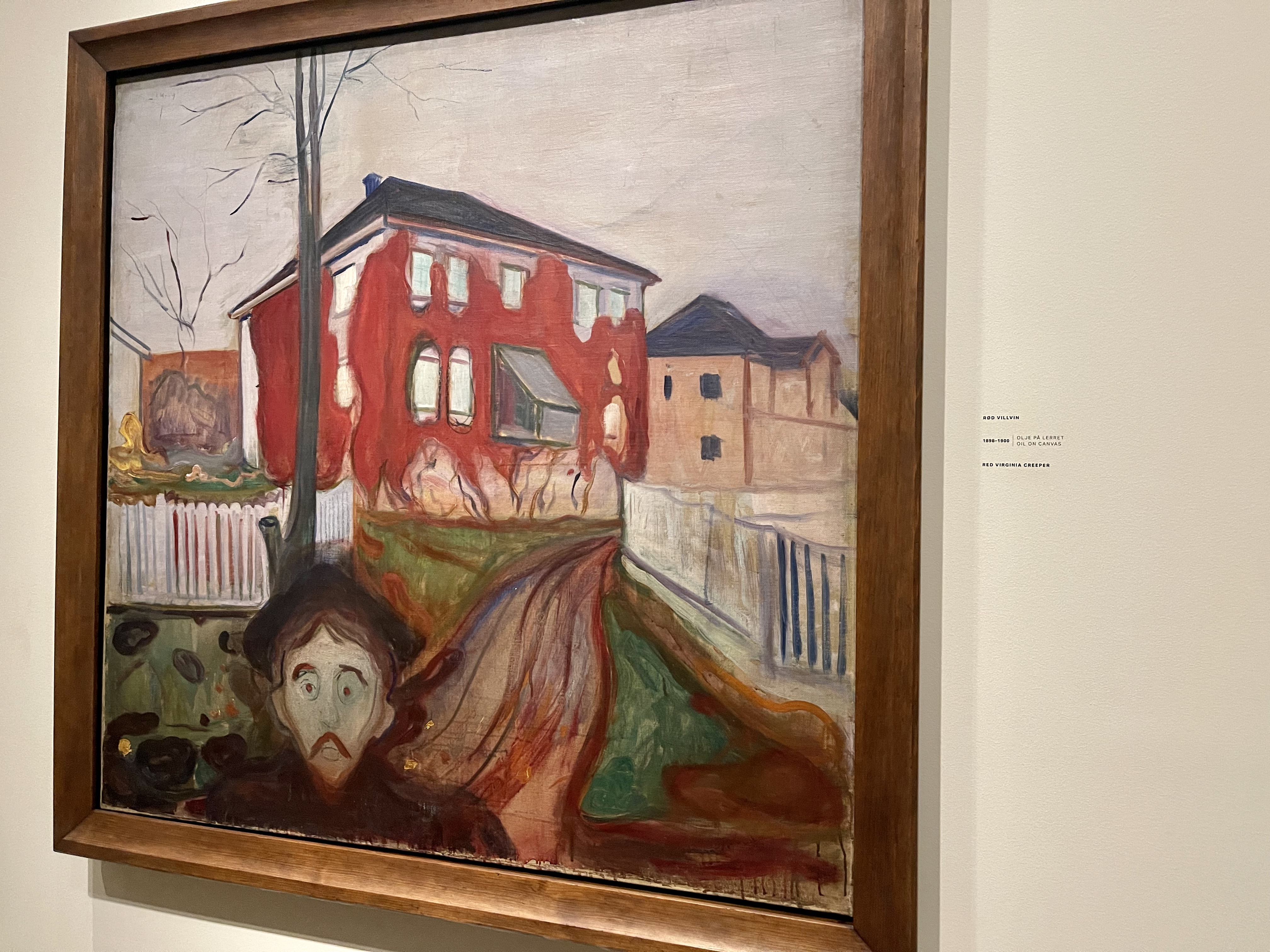
• Munch Museum (Oslo): astounding spread of works from one person, Edvard Munch. I knew about his most famous work, the Scream, but the output and variety of his work came as a surprise to me.
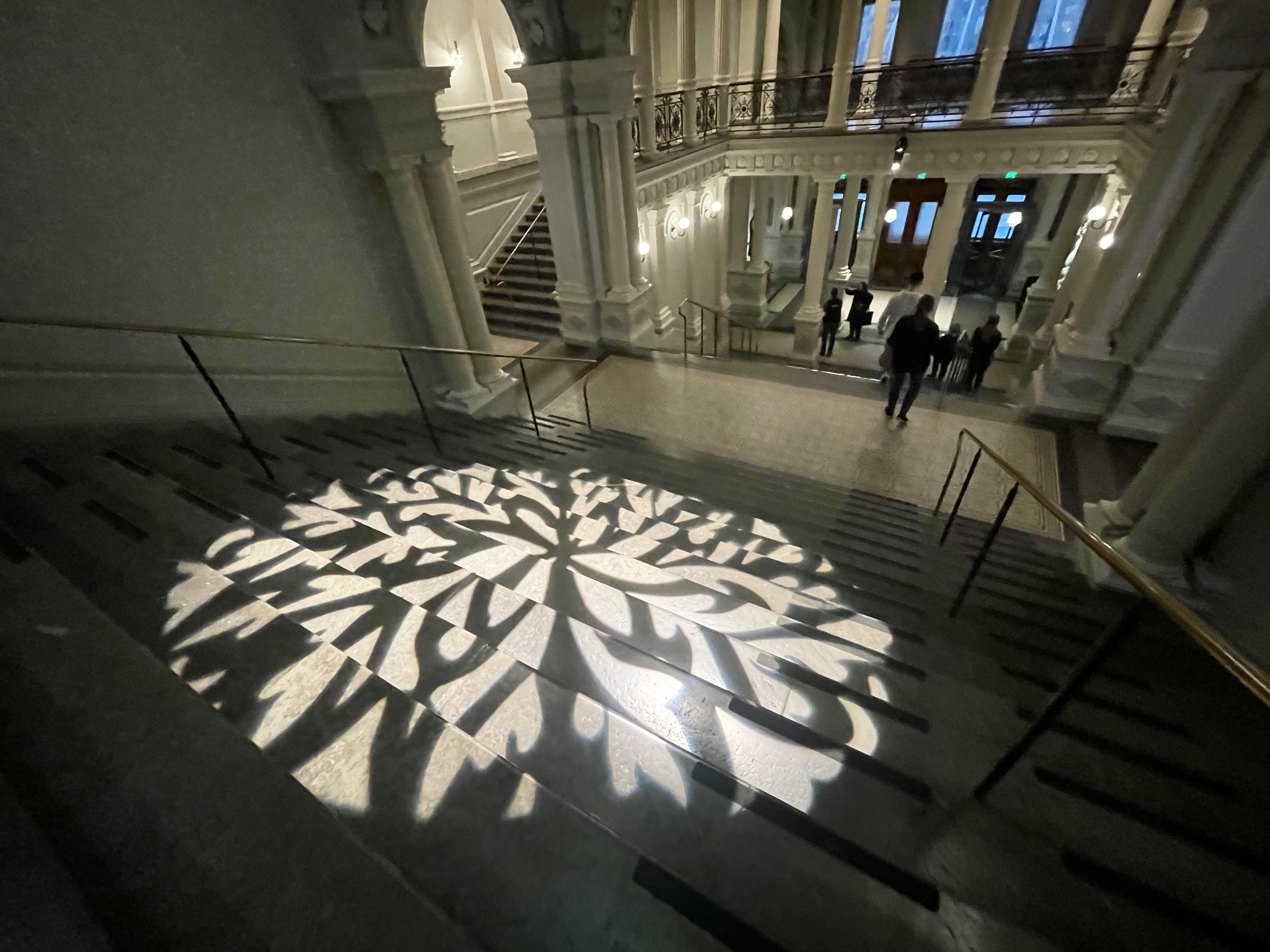
• Ateneum (Helsinki): great insight into Finnish art…but the exhibition “Gothic Modern, from darkness to light” was somber.
• Alvar Aalto Museum (Jyväskylä): brilliant displays of Aalto’s design work. And then I did go on to visit his amazing home and studio in Helsinki, both also worth the visit.

•Didrichsen Museum (Helsinki): wonderful house-museum & exhibition of works by the Danish artist Carl-Henning Pedersen.

Best views:
• Old colonial harbour (Nuuk): just sweet.

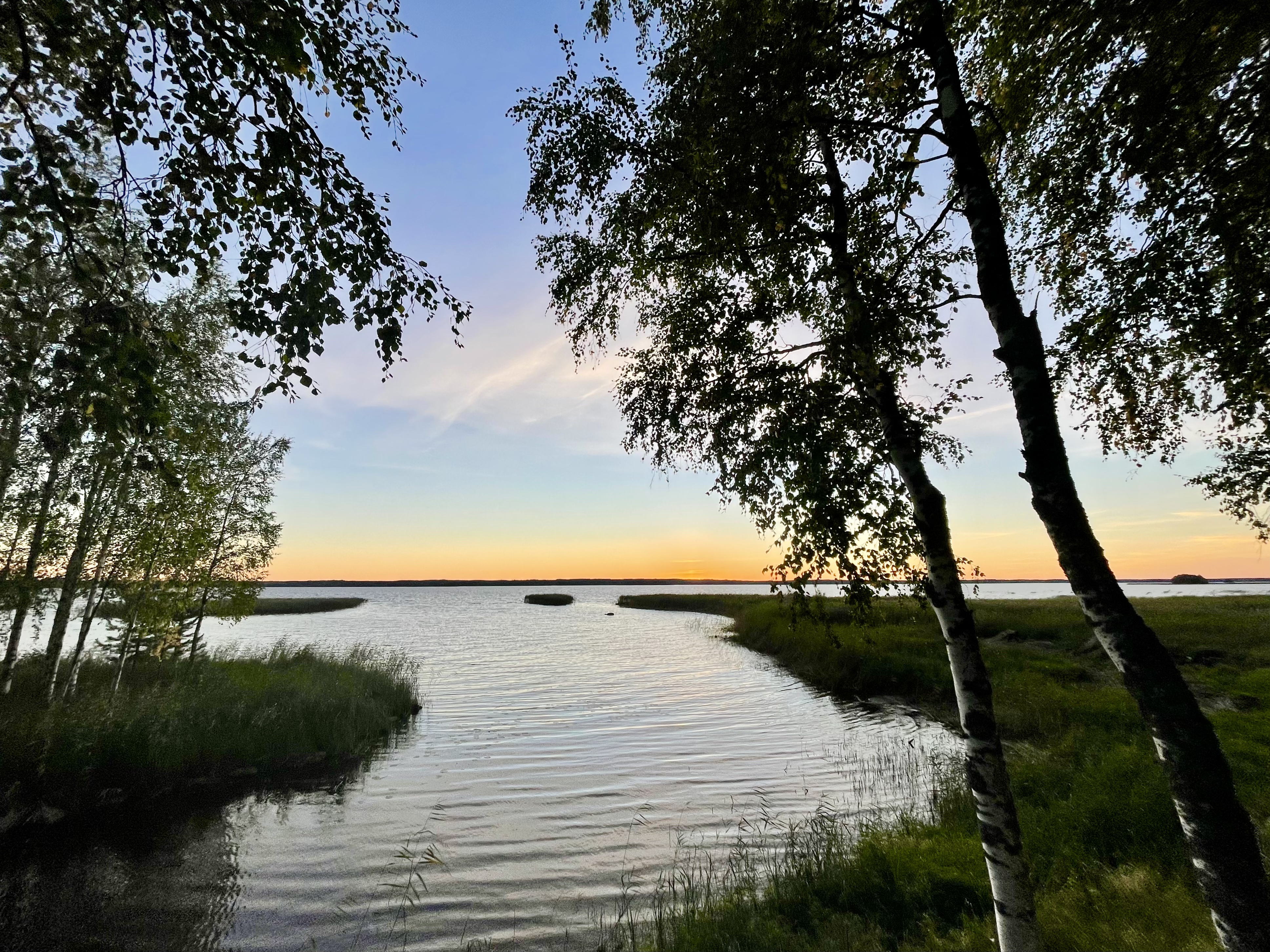
• Lake Saima (Liperi): Finnish lake view at its best.
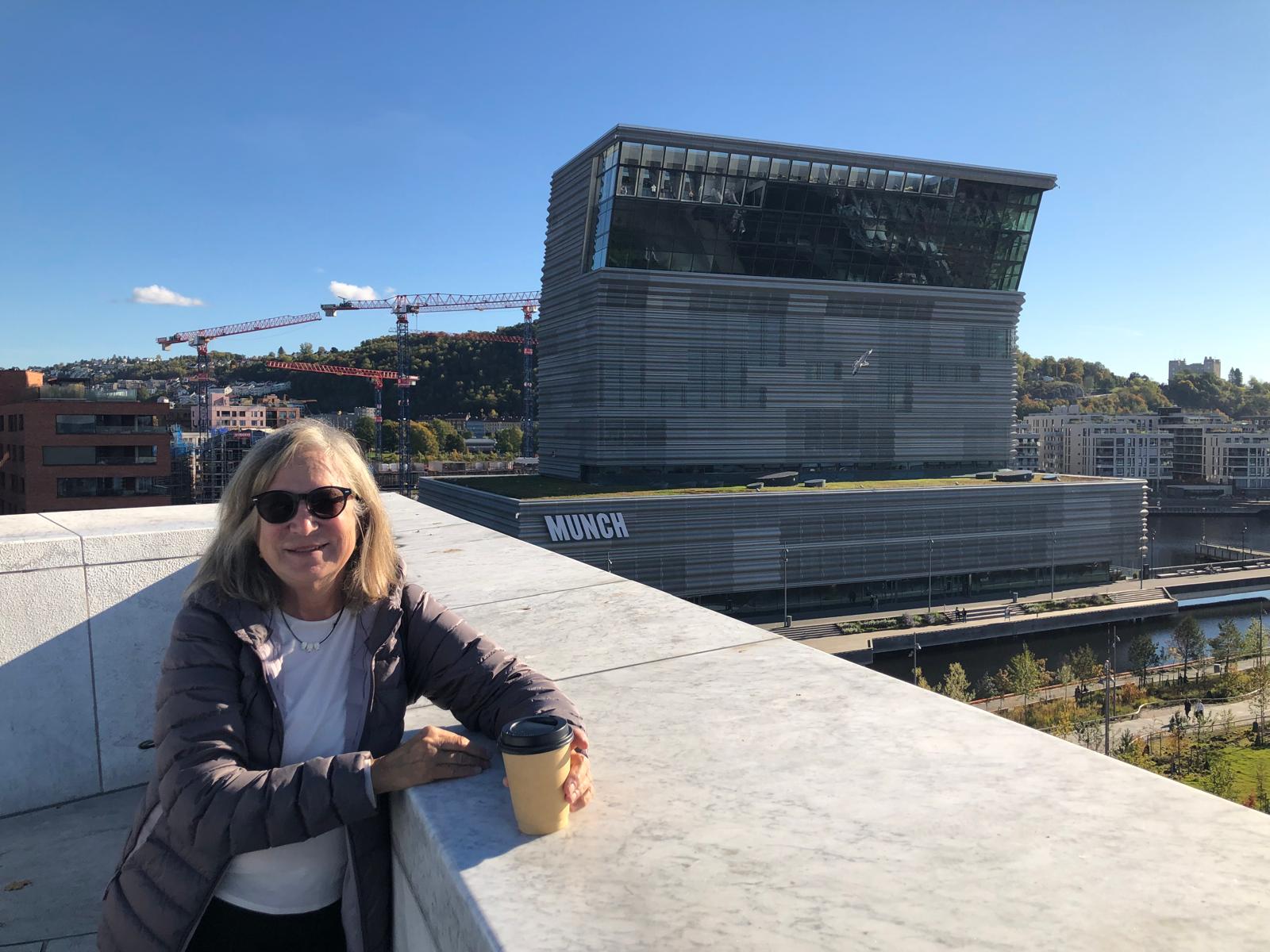
• From the top of the Opera (Oslo): coffee and a view of the Munch Museum.
• Katajanokka (Helsinki): my old Art Deco neighbourhood, which has now become posh but I had the best Airbnb there and enjoyed my memories, the view and walks.

Best days:
• Picking potatoes (Lannevesi): why just pick potatoes? Make it a family day. Loved seeing everyone in a place I spent so many happy times.


• Island ferry & castle visit (Oslo): a peaceful trip around the islands topped off with a castle (couldn’t do this back home.)
• Sauna (Helsinki): a visit to KotiHarjun Sauna, the oldest public wood sauna in Helsinki, where people used to go before there was indoor plumbing. Definitely not a tourist destination yet. But a fantastic sauna (separate for men & women,) with an unforgettable wood smell and a cozy place to hang-out post-sauna.

Favourite meals
• Reykjavik: ROK, was it the rain I was finally out of? Or the company of an old friend? Or that I hadn’t eaten all day? The food tasted delicious.
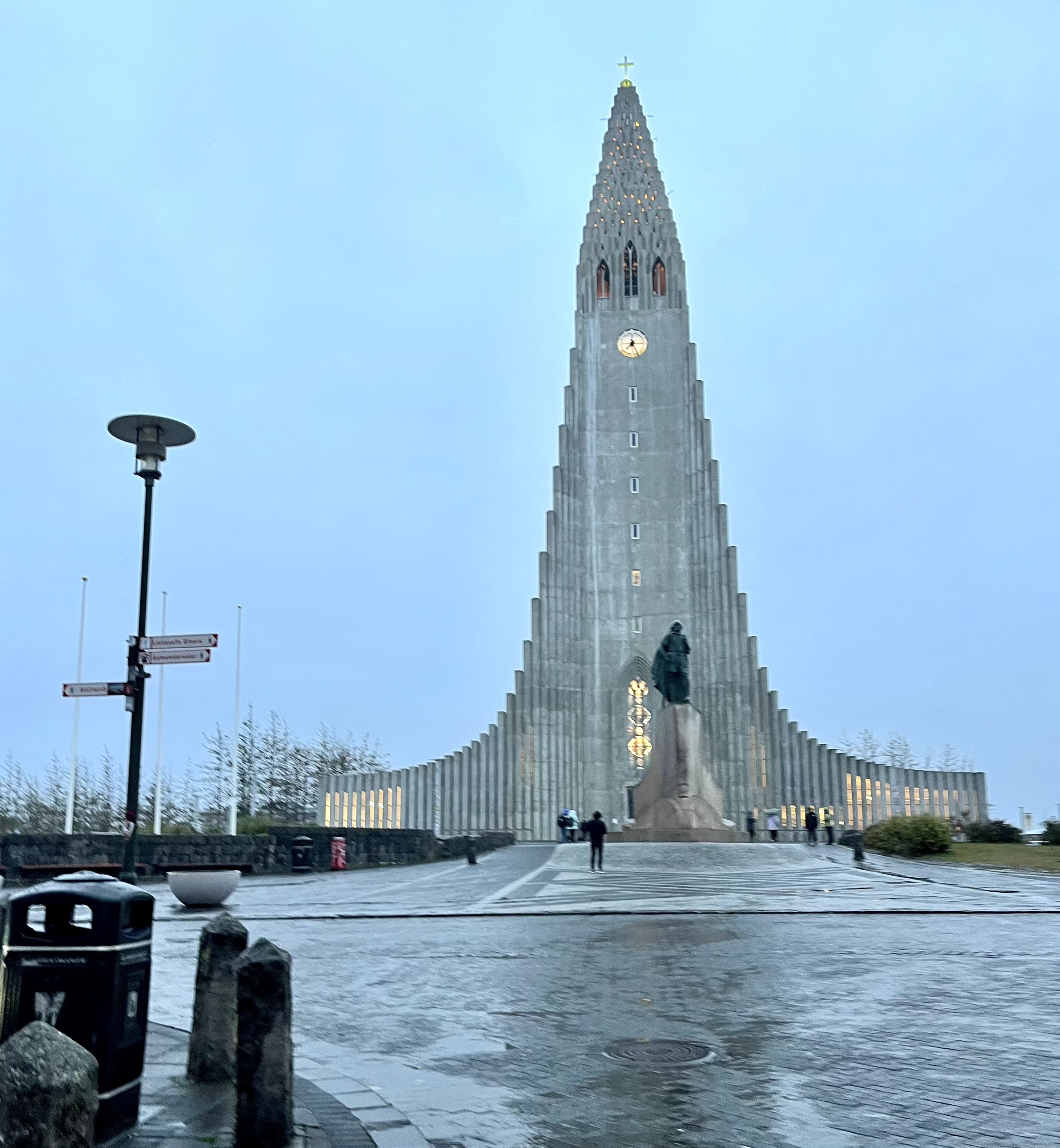
•Jyväskylä: Kisan Wiskat, the restaurant where we used to go as teenagers and young adults on special occasions…it hadn’t changed at all. Even the cat’s whiskers’-themed decor!
• Nuuk: Kunguak Café. I loved the muskox burger in this little café located in the old colonial harbour.

• Helsinki: Rain led us to the Pikku-Finlandia restaurant where a vegan brunch was underway. There was even vegan caviar.
• Liperi: Fresh muikku, a local whitefish, fried up in the pan.
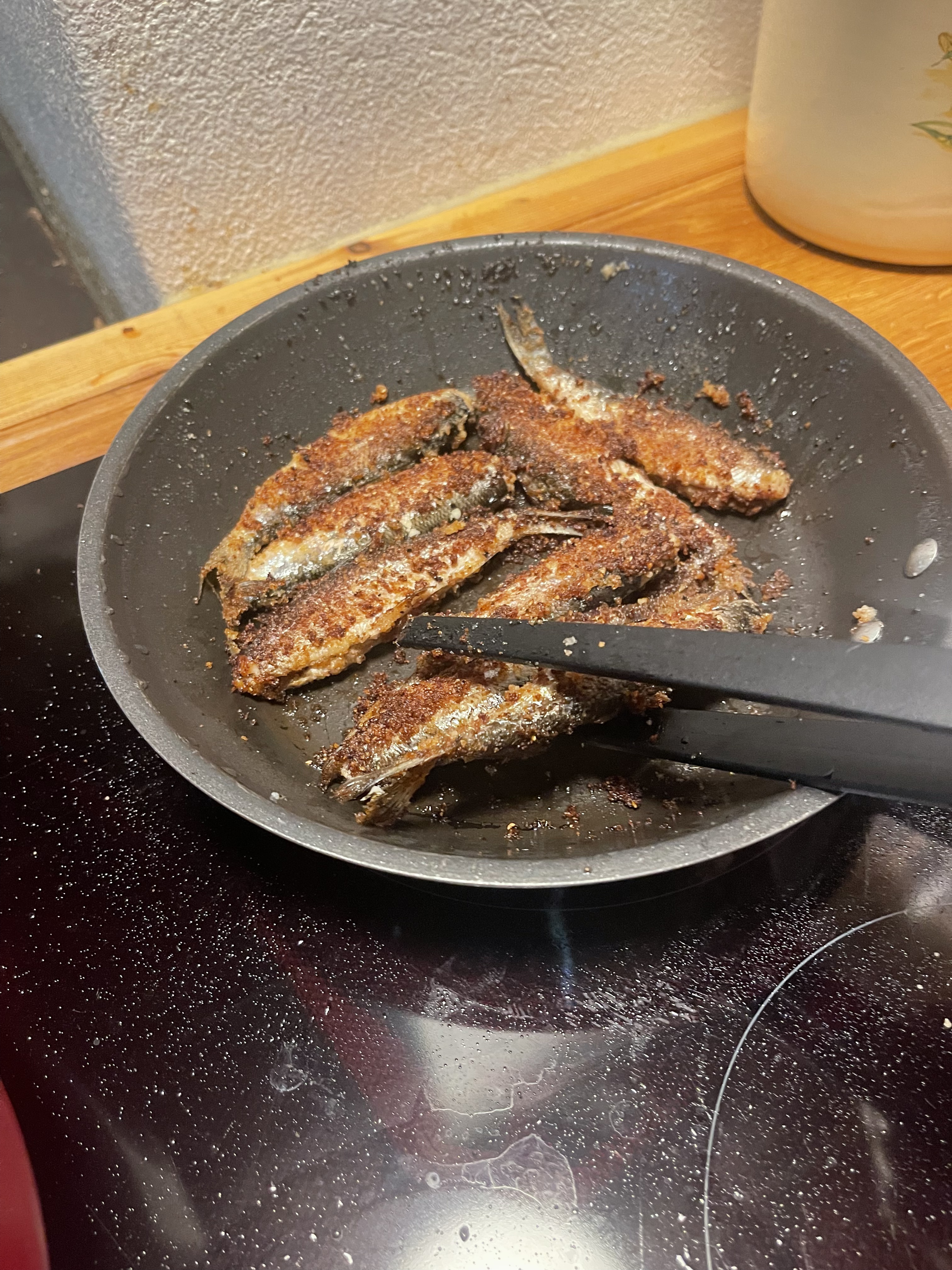
• Best beer (Nuuk): Qajaq
Best desserts
• Oslo: lemon-chia cheesecake

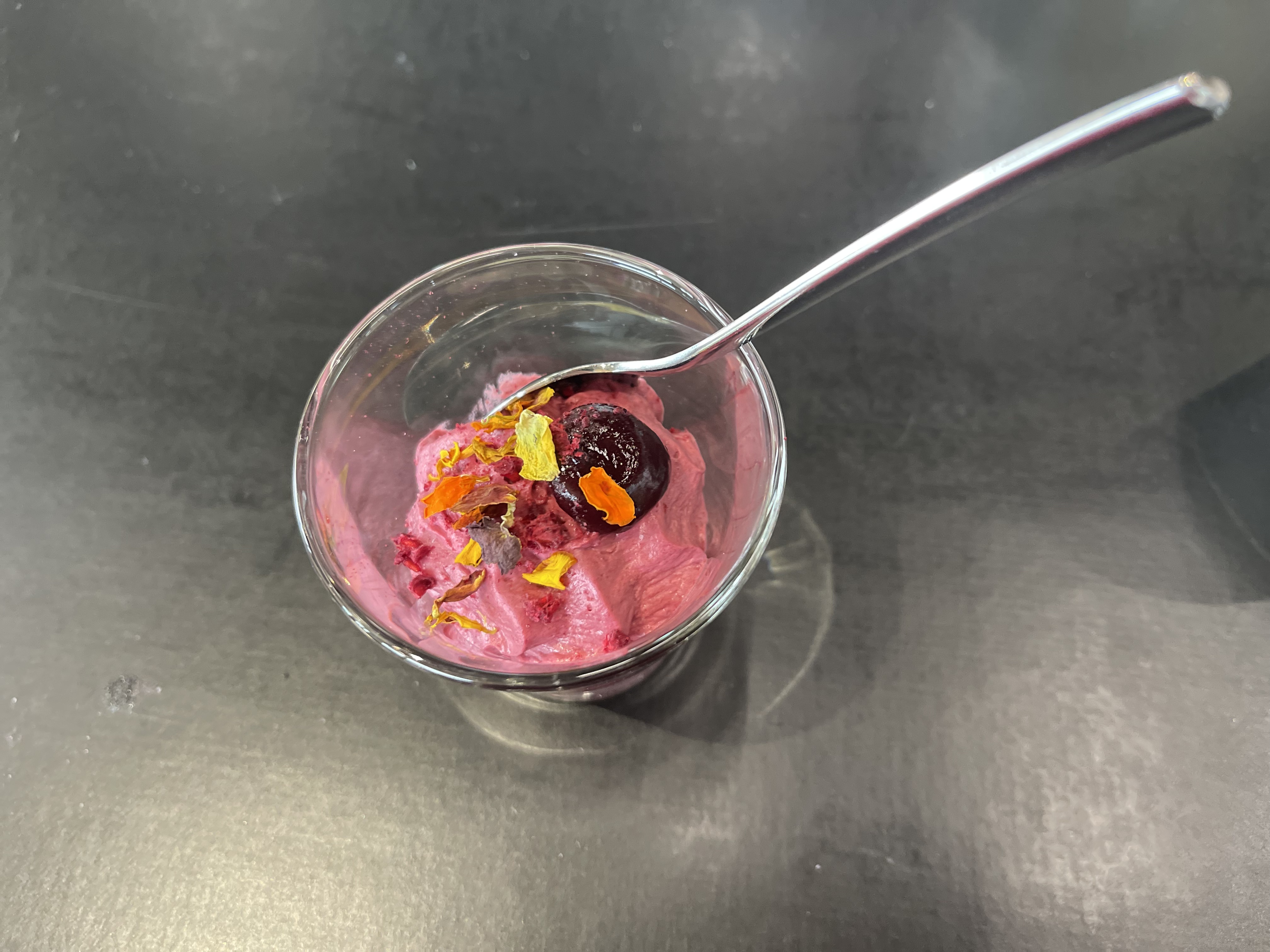
• Helsinki: berry pudding
Random events
• The Baltic Herring Festival was going on at the nearby market square in Helsinki, with fishers bringing in their herring to sell. Even better was our arrival at the square as the boats headed off into the harbour at the end of the festival.


• Oslo’s Deichman Bjørvika Library: there’s so much going on at this huge and beautiful place, where you can find books galore and corners for just about anything else you might want to do.
• Sagayoga: a sound bath, with bowls, chimes and a gong, Finnish-style in Helsinki.

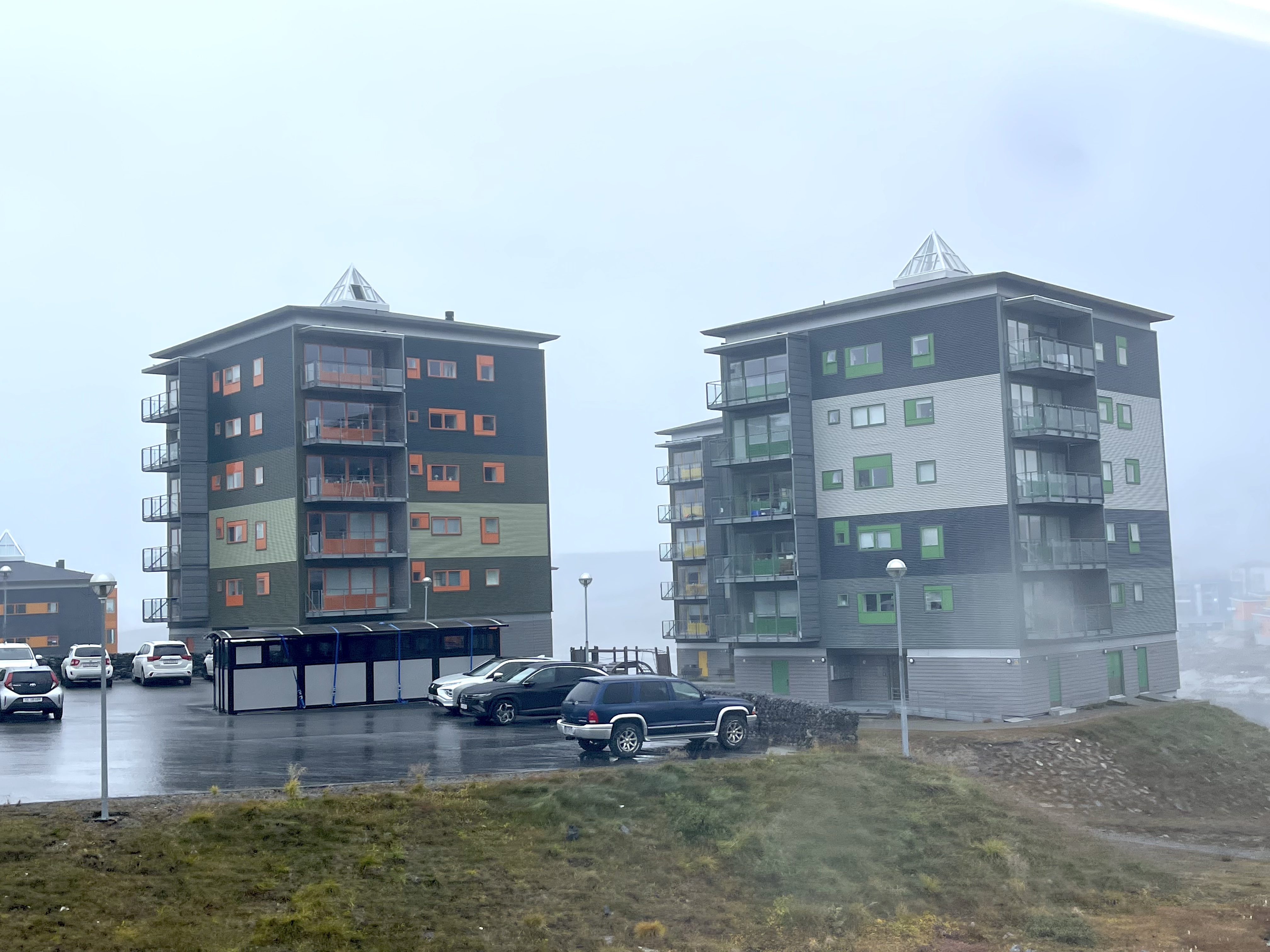
• Taking a municipal bus around Nuuk in the rain to see the new development.
Biggest surprises
• Weather: warm. I didn’t see cool weather until mid-October.
• Awesome country foods market: Nuuk.

• Everyone wears puffy down parkas everywhere.
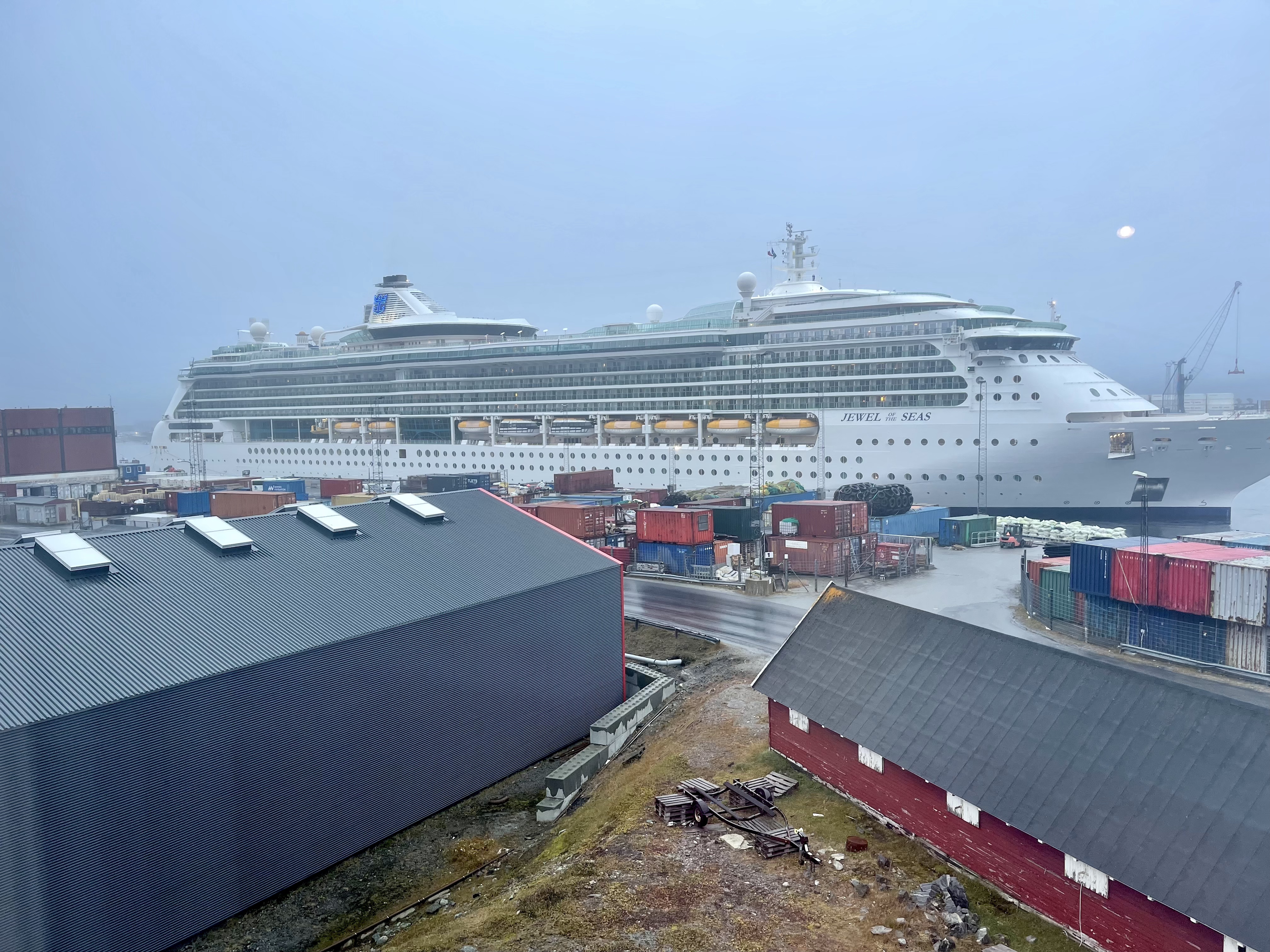
• Cruise ships in the Arctic look huge as I saw from the window of my Nuuk hotel.
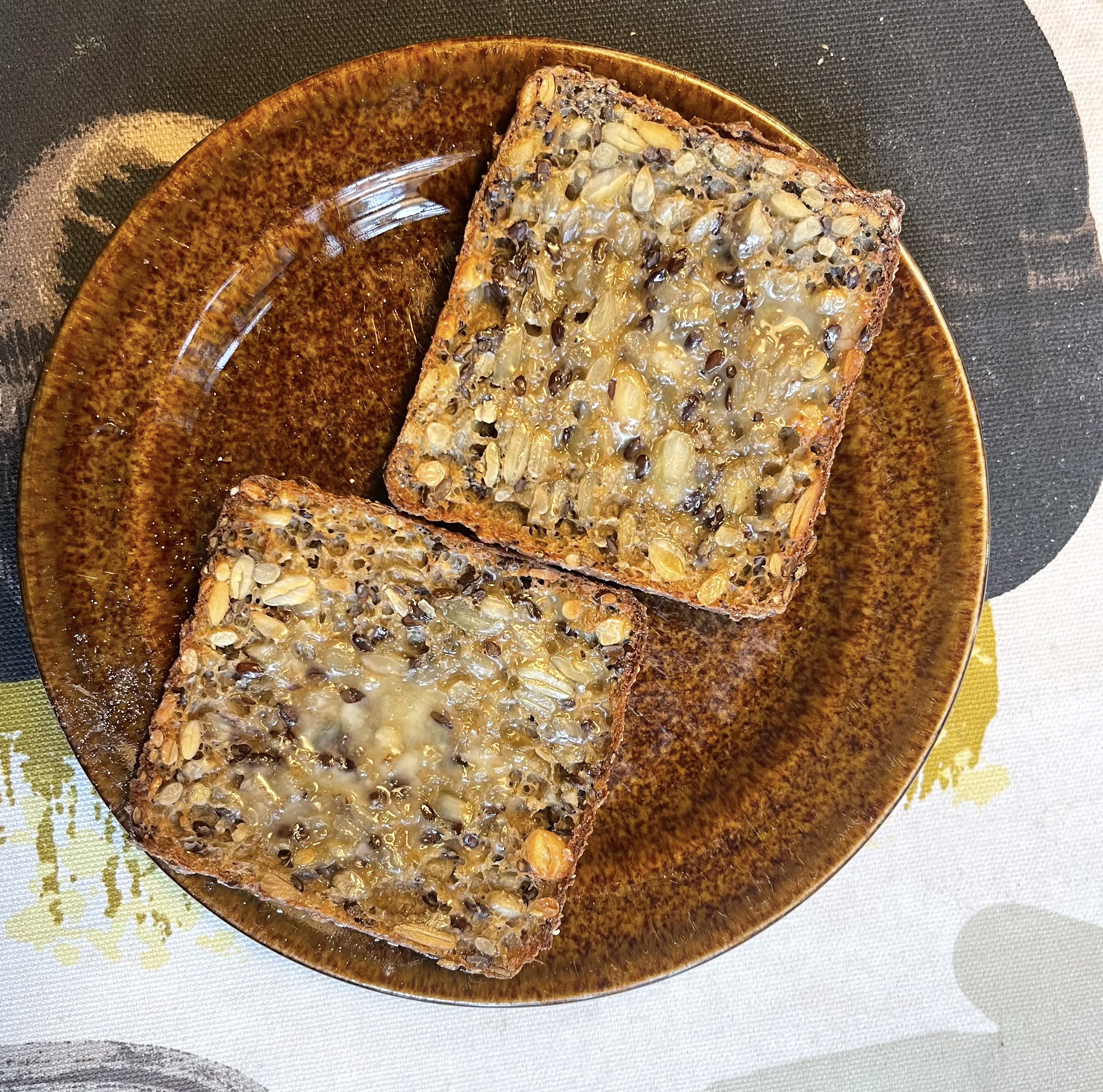
• Best country for gluten-free: Finland, where bread, whatever, is always available in stores and in restaurants.
• Best WC sign (Nuuk)

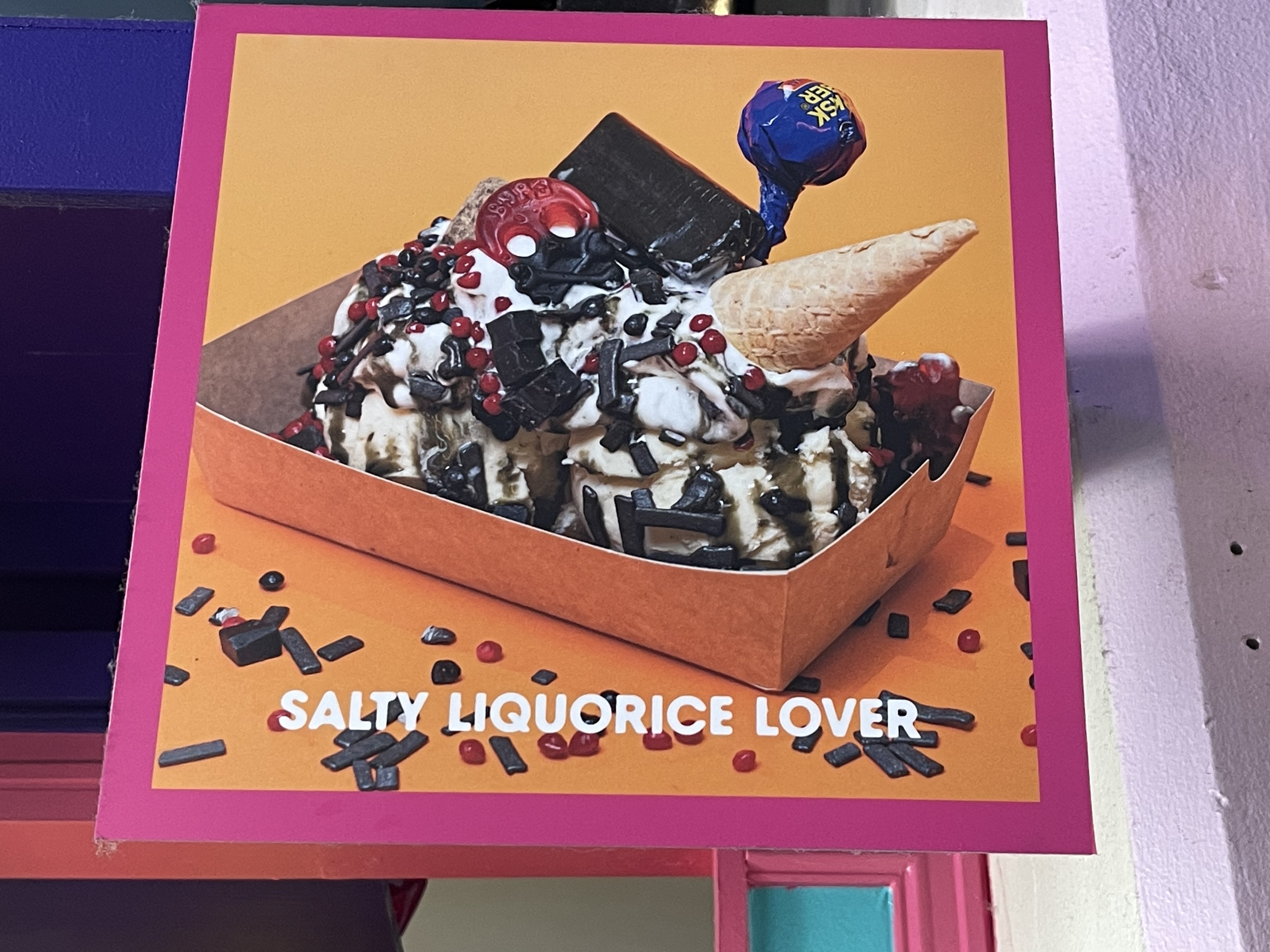
• Most hard-to-understand trend: licorice sauce with ice cream.
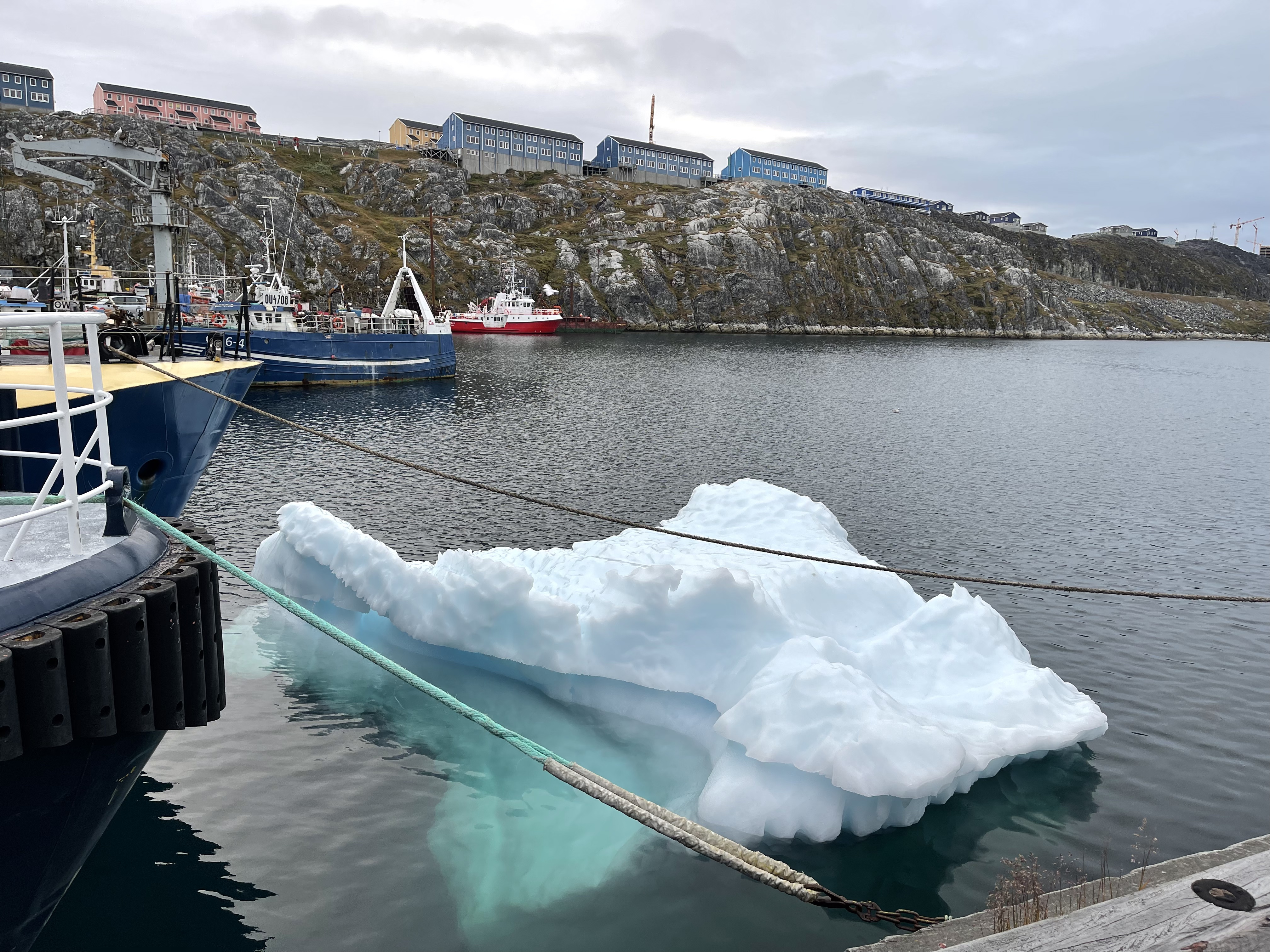
• Best icebergs (Nuuk): there was one in the port hanging around for days and then in the fiord on a Nuuk Water Taxi trip, there were many!
The two best things overall for me: seeing old friends and also speaking Finnish (in the photo, it’s Tero Mustonen, who won the 2023 Goldman Environmental Prize…)

While I feel quite functionally bilingual in Finnish, I also think that on this trip I realized what I didn’t know. For example, I found it challenging to understand the evening news, although I could read stories in the newspapers or magazines and talk to people. Since I learned Finnish, English has also spread into the country so it must be very hard to learn the language through immersion, as I did. I’m hoping to improve my comprehension for my next visit!
BTW post I wrote 10 years ago on the links between Finnish and Inuktitut continues to draw a lot of traffic, so If you haven’t read it and are curious, take a look!
My friends, from Nuuk to Finland, made every day on this trip wonderful. There’s a few other “Best Arctic Trips” posts I did a while ago. You can find them starting with Part 1. I up went to Part 5 and stopped, so maybe this one needs to be Part 6.


 A date with Siku girl