The Arctic connection with small island states: the impact of climate change

On a tropical Caribbean island such as Barbados, where I spent this past winter, the impacts of climate change are visible, more than in the Arctic.

Waves pounded this seaside restaurant in 2011, nearly dragging it down to the beach. (PHOTO BY JANE GEORGE)

Waves pounded this seaside restaurant in 2011, nearly dragging it down to the beach. (PHOTO BY JANE GEORGE)

Waves still pound at this restaurant on the west coast of Barbados. Its stairs now dangle over the badly-eroded beach, while in a nearby town, a seaside sidewalk buckles under the pressure of increasingly high tides.

Granted, in the Arctic sometimes it’s hard to see climate change impacts unless you happen to spot a robin or find a new, unfamiliar parasite in the meat of an animal.

Even the contaminants which can poison wildlife and people are invisible and the activities that caused them are located too far away to feel real.

But in Barbados, the sea is there, ready to move in.

Meanwhile, people make efforts to counter this stress on infrastructure by building seawalls, giant mounds of rocks, boardwalks and groynes.

To the left, the first three trees which were chopped off — the others to the right are now only bare trunks. (SUBMITTED PHOTO)

To the left, the first three trees which were chopped off — the others to the right are now only bare trunks. (SUBMITTED PHOTO)

But these efforts can often be counterproductive. On Fitts Beach, also on the western coast of Barbados, a wealthy property owner somehow received permission to cut off the tops of  13 towering Casuarina trees along the beach in front of her property, then the roots were cut back to put in a sea wall.

Now the trunks are beginning to topple over and when they fall, they’ll remove  natural protection against beach erosion.
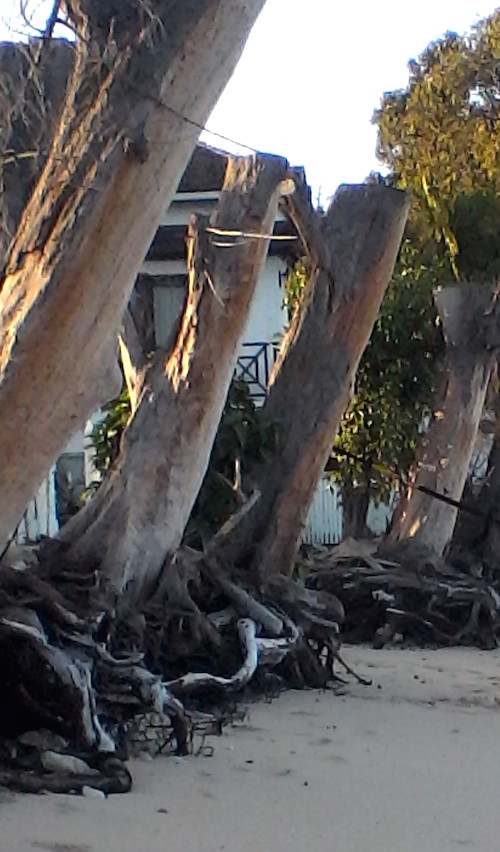
After being having all the branches chopped off, the trees' roots then were cut off for a seawall. Now the trees are dead and the beach is eroding around what once was a natural wall against the sea.

After being having all the branches chopped off, the roots of these trees (seen above with their branches) then were cut off for a seawall. Now the trees are dead and the beach is eroding around what once was a natural wall against the sea. (PHOTO BY JANE GEORGE)

Seeing the forlorn trunks makes many locals angry and worried about the future of their stretch of beach, where huge waves already crash onto the shore, and often spill into yards, covering the grass with sand.

And here’s a sad prediction to think about: Sea level could rise in Barbados as much as two metres by 2080, pushing erosion 100 metres or more inland, way beyond those trunks.

While in Barbados I decided to take an online course with the University of Geneva called “Pathways to climate change adaptation: the case of Small Island Developing States” — which have already joined with the Arctic regions in an organization called Many Strong Voices to combat climate change.

Its common goal: to keep temperature increases in check, so the North stays frozen and the islands stay above sea level.

Like the Arctic, small island nations like Barbados account for a tiny percentage of world energy consumption and produce low levels of climate-warming greenhouse gas emissions. And there are other similarities such as remoteness, a high cost of living and vulnerable economies.

My course on  SIDS tries to get us to think of climate change in a more holistic manner, that everything is connected, that sometimes positives like economic development or protective infrastructure also become negatives and that the solutions to climate change adaptation often lie right at our door — like trees.

For the course, we are asked to draw a diagram showing all the interconnections between the ecosystem, threats and benefits on our island (my example — Barbados.) For that assignment, other students later evaluate my work, and they point out I have forgotten about ocean acidification, coral bleaching and not emphasized overfishing.

There was so much to think about.
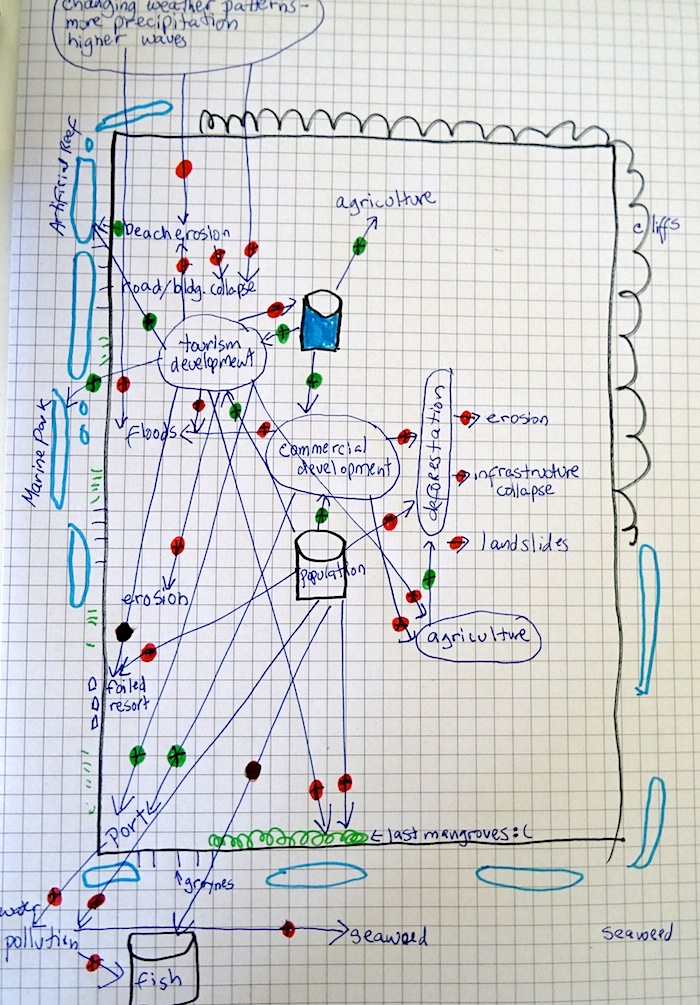
af88dd10be9e11e48235cde509d765f4But I did take away the idea that sometimes you to find solutions to climate change  you have to think outside the box or hole we’re all in.

On Barbados, as well as back home, this means looking more closely at development to change before climate change finally changes everything.

As Dr. Keith Nurse, director of the Shridath Ramphal Centre for international trade law at the University of the West Indies in Barbados, told me a few years ago, “we’re digging the hole deeper instead of saying we need a new hole. We’re digging the same hole deeper, and then we’re surprised when it floods.”

Waves pour over into a seaside home on the west coast of Barbados in February 2015. (PHOTO BY JANE GEORGE)

Waves pour over into a seaside home on the west coast of Barbados in February 2015. (PHOTO BY JANE GEORGE)

Bye-bye to Cambridge Bay, NU

DSCN9928When I arrived in Cambridge Bay, Nunavut, this past September, I caught the last few warm, dry days of this year. And there were lots of snow buntings to make things lively.

10678842_10203881764716583_2111731342590643829_n

The view from my friends’ house — where I would end up spending nearly two months, thanks to their incredible hospitality — included a view over to Mt. Pelly, about 20 kilometres away to the east.10486129_10203881751476252_362758816693141826_n

During those first days of this year’s visit to Cambridge Bay, I took many long walks — and I visited with my many friends in the western Nunavut town of 1,700.

But I couldn’t help tracking and writing stories, first for this blog, and then, finally again, for Nunatsiaq News, as I returned to work.

There was no boredom ever for me during my visit, even on weekends.

So, what should you do if you’re lucky enough to visit Cambridge Bay — located a couple of hours by air north from Yellowknife in the Northwest Territories?10636227_10203881777476902_4135097640546042607_n

Here are some ideas:

• If you are around when a barge comes in, go down and watch everything be offloaded and stacked up on shore.10486129_10203881751356249_1883627419365031161_n

• Keep an eye on what’s happening at the dock — that’s where I met the folks from the ocean observatory and the yacht, the Latitude. Boats and ships travelling the Northwest Passage are always docked there in August and September.10513324_10203912169676688_4055274122942086626_n

• Walk to the airport and back. Have an expresso or latte at the Arctic Closet café at the airport.

On the return trip you’ll get a great view of Cambridge Bay with Mt. Pelly in the distance.10612861_10203901284724571_7197797717356445544_n

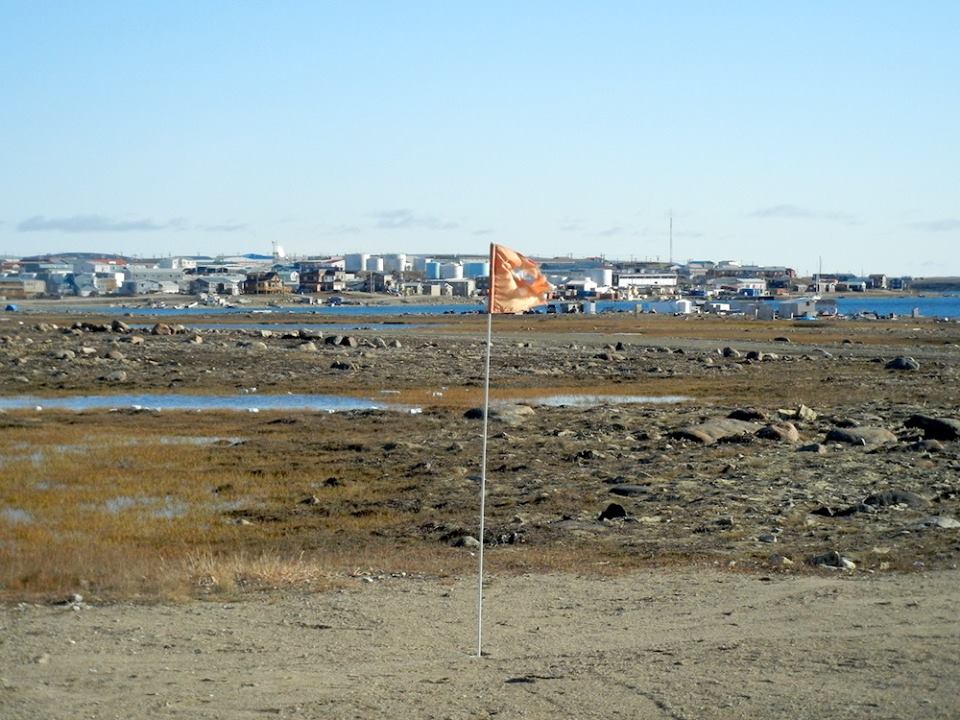
And you can check out the municipal golf course, called “Many Pebbles.”

10612861_10203901284764572_1381006424865257241_n

You can also get a view over to the Cam Main North Warning site (what do they do there anyway?)IMG_0507

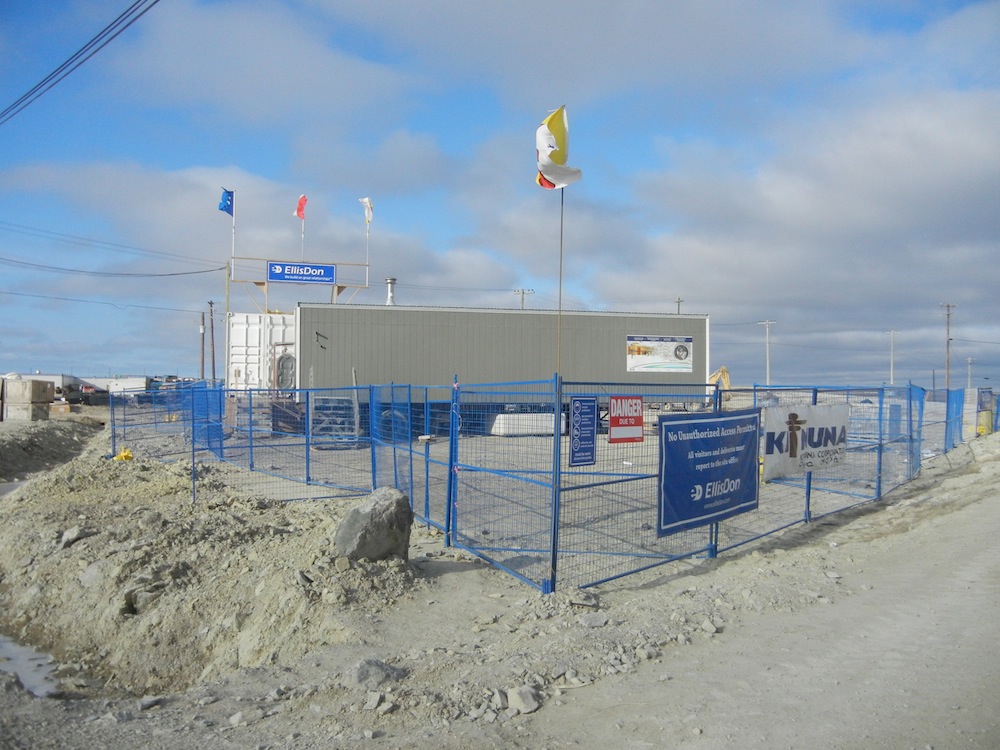
• Head over to the plateau on the way to Mt. Pelly to see what’s happening at the construction site of the Canadian High Arctic Research Station, set to open in 2017.

DSCN9912

After that, continue on and peek into the dump — it’s probably Nunavut’s best landfill, but still some of the trash is whipped around by the wind and most of what can’t be reused locally is reduced by open burning.DSCN9893

Further on you’ll find cabins as well as the cemeteries, old and new.DSC04110

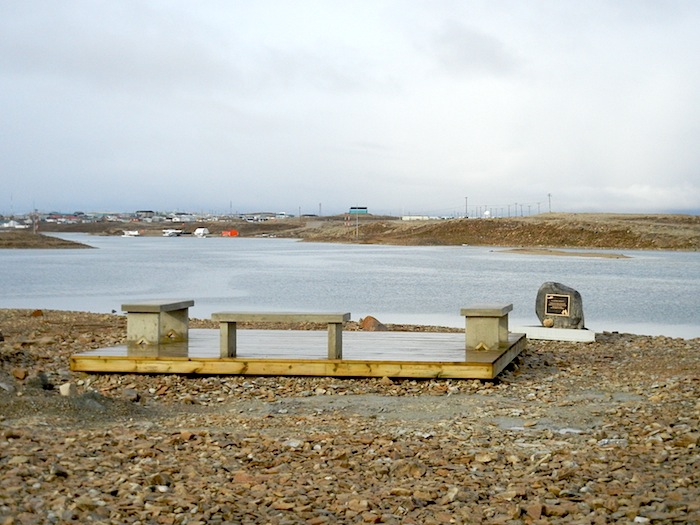
Then, if you cross the bridge to your right, you’ll walk past the site of the old town site as well as a new park commemorating residential school students — and get a great view of the town beyond.DSCN9677

A little further on yet, you’ll arrive at the site of the Maud, Roald Amundsen’s ship, which may not be there too long if Norwegians are successful in 2015 in bringing the Maud back to Norway.DSCN9682

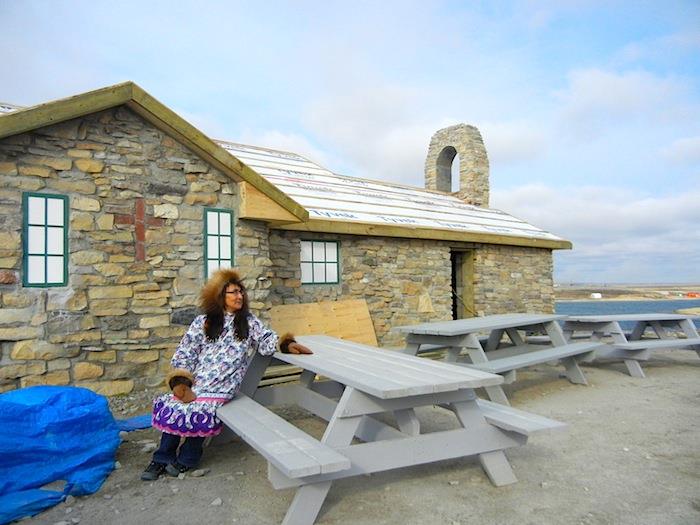
Down the road, there’s the newly renovated stone church built by Catholic missionaries, which celebrated its 60th anniversary in September 2014.

10696347_10203919097609882_4131323457865237988_n

And close by is the Eagle, which ended up on shore there in 1954, when missionary Father  André Steinmann bought the ship — but then was transferred back east.

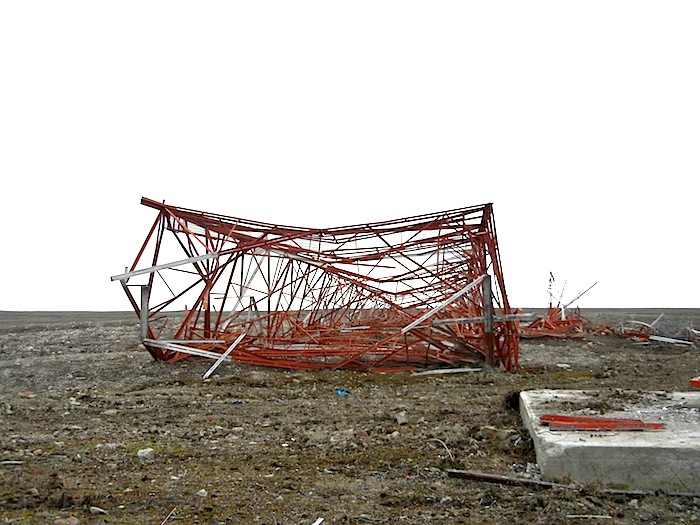
Near to that, you might also still find some remnants of the Loran tower, erected in 1947, to be a navigational beacon for aircraft. Many of the community’s first houses were built using its plywood shipping crates. The Loran was torn down in 2014.DSCN9870

That’s a bit of a hike but you can always wave people down for lifts back to town!

• Walk around Cambridge Bay, check out the Northern and Co-op stores and see how much it costs to eat. And look at the bulletin boards to see what’s going on. There’s always some meeting or activity.IMG_0589

• Visit the new Kitikmeot Inuit Association building.

IMG_0521

• Go to the May Hakongak Library and cultural centre: check out the cultural displays and look for some of the many Arctic-related books I gave to the library in 2011.1385026_10204200137915714_2356068575569011207_n

Elders, who work in the back on projects, put some of their handiwork for sale, too.

• Visit the Arctic Coast visitors centre — you can find more pamphlets there on what to do.

• Go to the Elks club early Friday evening and find someone to sign you in — you’ll make new friends and may be able to hang on to a drink token as a souvenir.

You use a drink token like this one at the Elks' bar. (PHOTO BY JANE GEORGE)
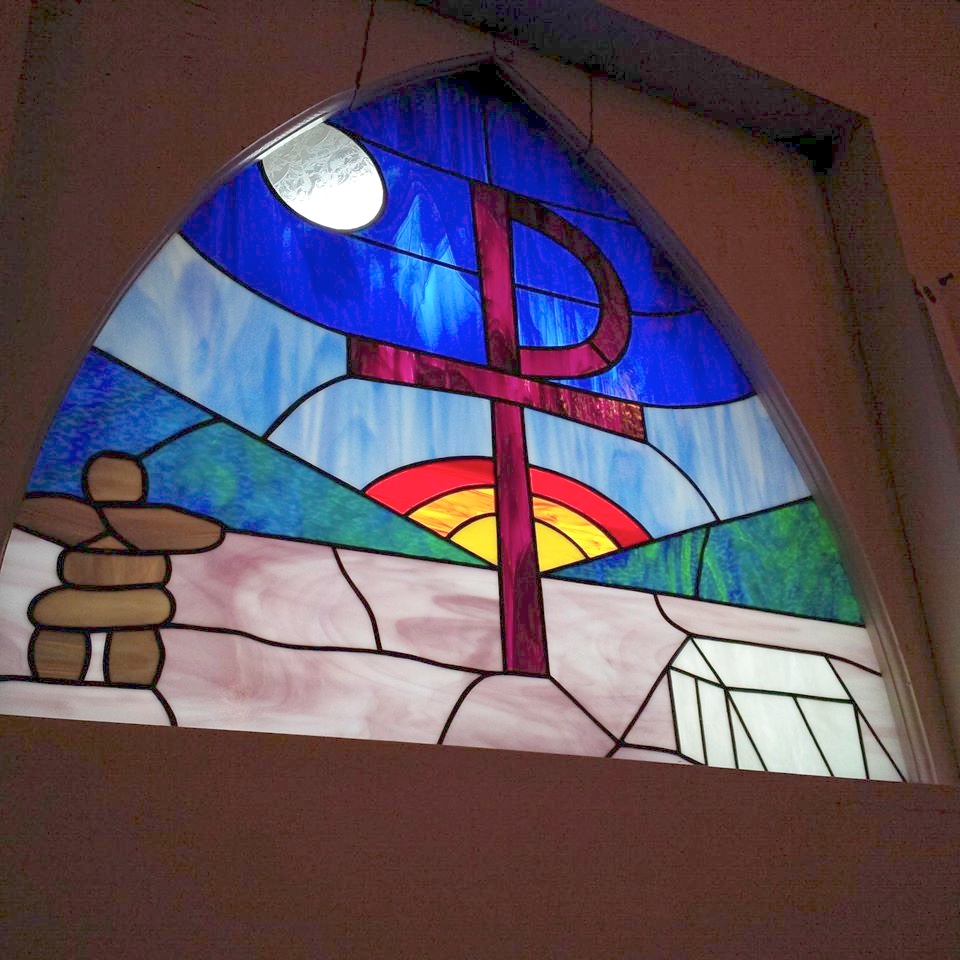
• Go to Sunday service (in English and Inuinnaqtun) at St. George’s Anglican Church — seeing the stained glass windows are worth going to see and you’ll be welcomed warmly.10590417_10203887713345295_8169413709948011638_n

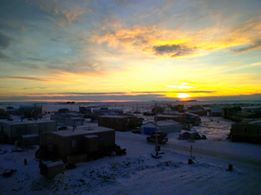
• Get up early and watch the sun rise.

IMG_0565

• Don’t miss any of the sunsets (but to see them you’ll have to go outside the days of 24-hour sunlight and darkness.) They’re all different.

10409528_10204183121970326_7787924844820528837_n

• Eat lots of Arctic char.

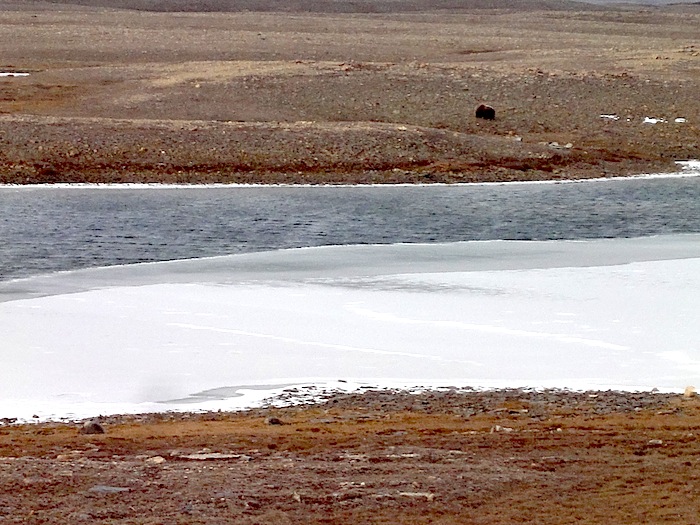
• Try to make friends with people who have vehicles and cabins — they’ll be able to navigate the bumpy roads and take you to see Mt. Pelly or Gravel Pit and beyond. Maybe you’ll see a muskox along the way.DSC04116

And you won’t want to miss a visit to Mt. Pelly.

From every angle, and particularly at sunset, when it catches the last rays, this flat esker of a mountain looks great.10696390_10204115681524357_5328699515534850929_n

• Arrive with good shoes, rubber boots and boots with spikes for when the roads freeze up and get slippery.

When I left Cambridge Bay in the end of October 2014, everything already looked different: the days were shrinking,  temperatures often dropped into the minus 30 Cs with wind and my middle-weight parka was too light. And I was busier, too, back to work, covering back-to-back meetings, with less time to enjoy the scenery.

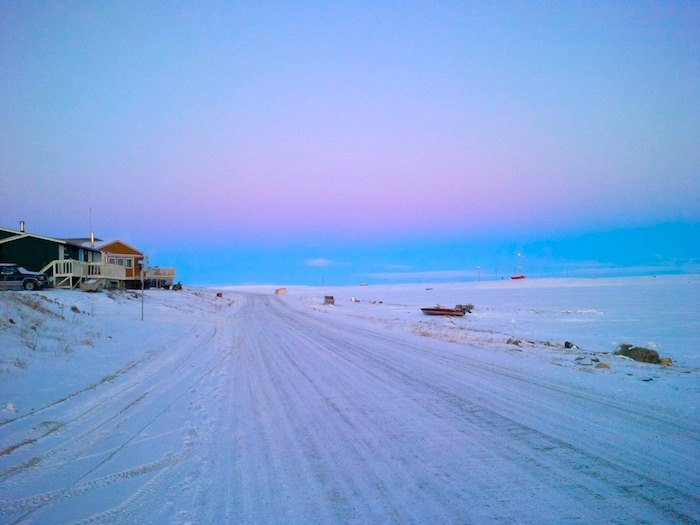
The view looked different from the front porch, too. But I was rewarded with amazing sights, including this pink-lit scene of ice crystals in the air at sunset as I walked back after work. Like heaven.

10689772_10204195271634060_8955207541783220232_n

Can’t wait to get back.

Now that I am back at work, you won’t find as many new blog entries.

But if you missed previous posts, including the “Like an Iceberg” series, take a look here:

Positive attitude key to suicide prevention: Inupiaq TV star

CamBay ocean observatory stimulates local interest

My Cambridge Bay weekend

Nunavut, still Canada’s youngest, fastest growing jurisdiction: StatsCan

A makeover for CamBay’s ocean observatory

Canada ignores Arctic infrastructure: veteran ice pilot

New roof, new life for CamBay’s old stone church

Two Arctic ships, two explorers: Franklin and Amundsen

Today, Arctic explorers take cruise ships

And from the “Like an Iceberg” series:

Like an iceberg: on being a journalist in the Arctic

Like an iceberg, 1991…cont.

Like an iceberg, 1991…more

Like an iceberg, 1992, “Shots in the dark” 

Like an iceberg, 1992, “Sad stories”

Like an iceberg, 1993, “Learning the language of the snows”

Like an iceberg, 1993 cont., “Spring”

Like an iceberg, 1993 cont., “Chesterfield Inlet”

Like an iceberg, 1993 cont., more “Chesterfield Inlet”

Like an iceberg, 1994: “Seals and more”

Like an iceberg, 1994, cont., “No news is good news”

Like an iceberg, 1994 cont., more “No news is good news”

Like an iceberg, 1994 cont., “A place with four names”

Like an iceberg, 1995, “More sad stories”

Like an iceberg, 1995 cont., “No place like Nome”

Like an iceberg, 1995 cont., “Greenland”

Like an iceberg, 1995, cont. “Secrets”

Like an iceberg, 1996, “Hard Lessons”

Like an iceberg, 1996 cont., “Working together”

Like an iceberg, 1996 cont., “At the edge of the world”

Like an iceberg, 1996, more “At the edge of the world”

Like an iceberg, 1996, cont. “Choices” 

Like an iceberg, 1997, “Qaggiq”

Like an iceberg, 1997, more “Qaggiq”

Like an iceberg, 1997, “Qaggiq” cont.

Like an iceberg, 1997 cont., “Qaggiq and hockey”

Like an iceberg, 1997 cont., “Brain surgery in POV”

Like an iceberg, 1997 cont.: “Masks on an island”

Like an iceberg, 1997 cont., “Abusers on the pulpit”

Like an iceberg, 1998, “Bearing gifts”

Like an iceberg, 1998 cont., “At the top of the world”

Like an iceberg, 1998 cont., “A bad week” 

Like an iceberg, 1998 cont.: more from “A bad week”

Like an iceberg, 1998 cont., “Memories”

Like an iceberg, 1999, “The avalanche”

Like an iceberg, 1999 cont., “An exorcism, followed by a penis cutting”

Like an iceberg, 1999 cont., more on “the Avalanche”

Like an iceberg, 1999 cont., “Robins in the Arctic”

Like an iceberg, 1999 cont., “Fossil hunting”

Like an iceberg, 1999 cont., “Where forests grew” 

Like an iceberg, 1999 cont.,”And then there was Nunavut”

Like an iceberg … the end