Birding book puts spotlight on Cambridge Bay, Nunavut

When a new book on the birds of Cambridge Bay arrived last week in my mailbox I was thrilled: “Birds of Cambridge Bay, southeastern Victoria Island and adjacent small islands, Nunavut, Canada,” by Jim Richards and Richard Knapton provides as much information as any Arctic birder, wannabe or otherwise, could hope for.

That’s in addition to many spectacular photos of the birds you can see around this area of western Nunavut.

The book brought back memories many personal sightings of birds around Cambridge Bay, such has this hawk basking in warm September sun with Ovayok (Mt. Pelly) in the distance.

The new bird book, published by Polar Knowledge Canada, notes you could stand to see about 156 birds with 51 breeding in the region. Some 74 vagrants have also been recorded, with species diversity likely to increase under climate change, the book notes.

The birds you can now see regularly around the town of Cambridge Bay include buntings, red polls, trumpeter swans, loons, falcons, snowy owls, cranes and stunning king eiders, just to mention a few I have seen.

While there a still a lack of year-round birding observations, the book says, it meticulously reflects what Richards, who first visited Cambridge Bay in 1990, has recorded as well as information from the various birding trips of Knapton and notes from others on local birds (including me,) before and after.

Ornithologist Richards also authoured the magnificent two-volume “Birds of Nunavut,” which I reviewed for the Nunatsiaq News. My review copies of that landmark publication on Nunavut’s birds are now at the May Hakongak library in Cambridge Bay, along with other volumes from my other Arctic book collection.

My best Arctic trips, Part 5

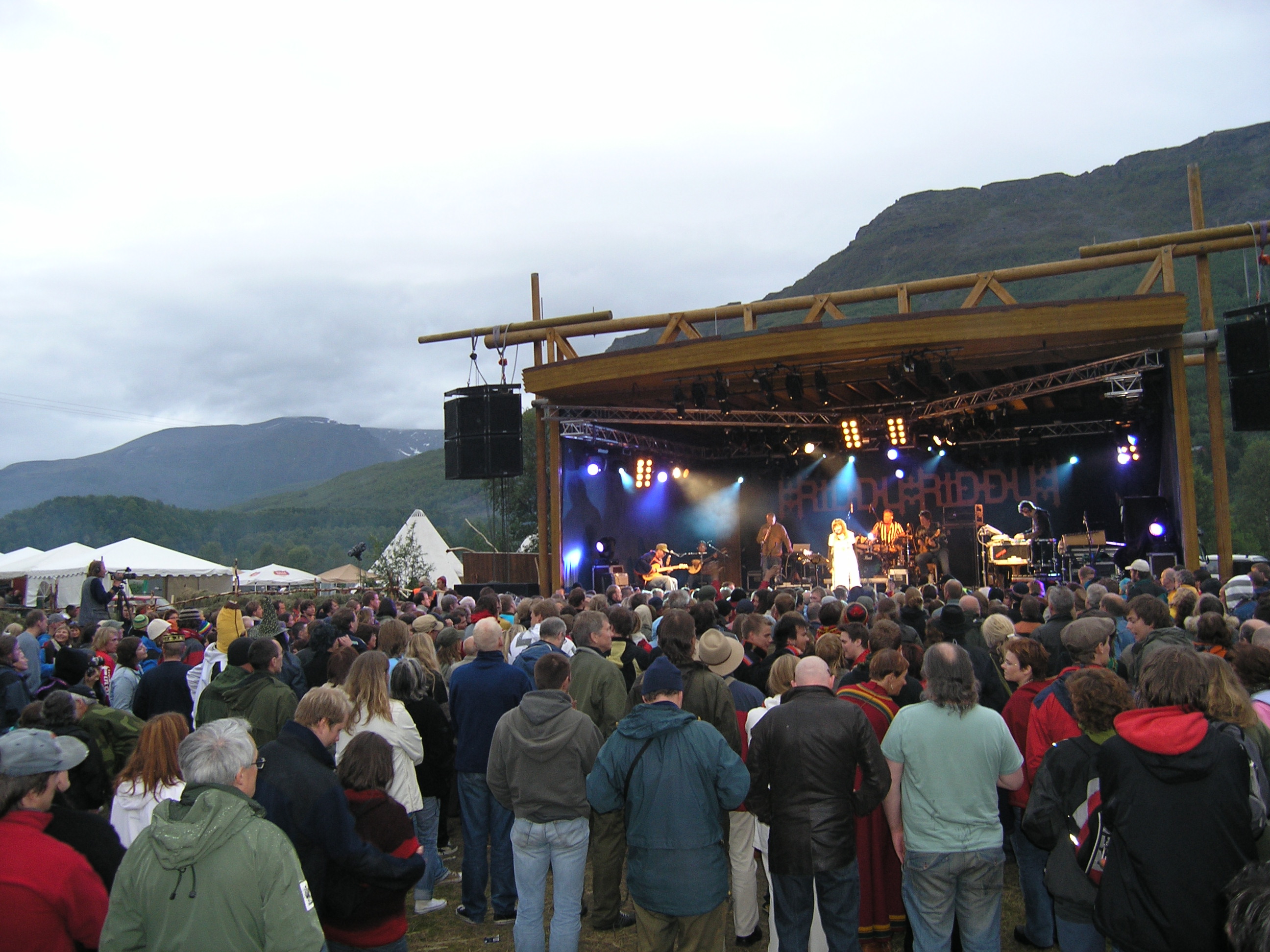
And so on this journey in 2006 from southeastern Finland to the top of Arctic Norway I ended up at Riddu Riddu, Norway’s annual Indigenous music and culture festival, about which I have written before here.

In 2020, there was no Riddu Riddu, due to the pandemic.

But when I went to Riddu Riddu in 2006, its program showcased everything from “polar ska,” “Ainu dub,” “tribal funk” to “ethno-futuristic rock” played by Indigenous groups from Norway, Russia, Japan, Brazil, Siberia, South Africa, Greenland and Alaska.

And, for me, it wasn’t so much a life-changing experience as a life-affirming one as late into the night I listened to music with new and old friends.

Ayarhaan, which means “the tribe of the creator” or, as Riddu Riddu’s program said, “girl power from Yakutia,” took the festival by surprise.

Ayarhaan’s wildly traditional music combined elements of of traditional throat singing and Jimmy Hendrix. Their home, Yakutia in central Siberia, is a place where temperatures range from -40 C in winter to 30 C in the summer, an extreme sort of place that produced their extreme version of throat singing.

“To survive you have to be strong, so you can hear the strength in the music,” said Albina Degtyareva, the group’s lead singer. “In Yakutia, you can feel and hear the power inside you.”

Her mouth harp, or “khomous,” looked like a pair of scissors with a metal tine sticking through the middle. Yakutians traditionally use the khomous, which was said to have been made by gods and possess a magical voice, to accompany their throat singing.

Ainu musician Oki Kano, below, performed a dub-like mix of the tonkori and double bass. His “Salmon Song” about returning to your roots is still on my playlist.

“I urge all indigenous youth to return to their villages,” Oki said before singing his wild “Salmon Song.”

“Many Japanese are supporting Ainu rights, and although there is more awareness, there is still racism. Racism exists on two levels, one is the everyday kind of racism at school, or say when Ainu want to marry a Japanese and the parents are opposed to it. The other level is on the government level.

“The government is very clever though, and makes the Ainu lifestyle the same as for Japanese, although Ainu have a lower income and standard of education. The government can then say they are supporting the Ainu, without giving us rights, such as fishing or land rights. So we have to do something, and that something is music,” said Kano in an online interview.

And award-winning singer and songwriter Maire Boine, below, who brought Saami yoik to another level, also performed. (BTW her album, one of my favourites, called Gula Gula, celebrates its 30th anniversary this year.)

And so it went on.  82-year old Ivvar-Niillas performed yoik… a Maori singer filled the stage…as did Pamyua from Alaska…

And then the show was over and it was time to travel south.

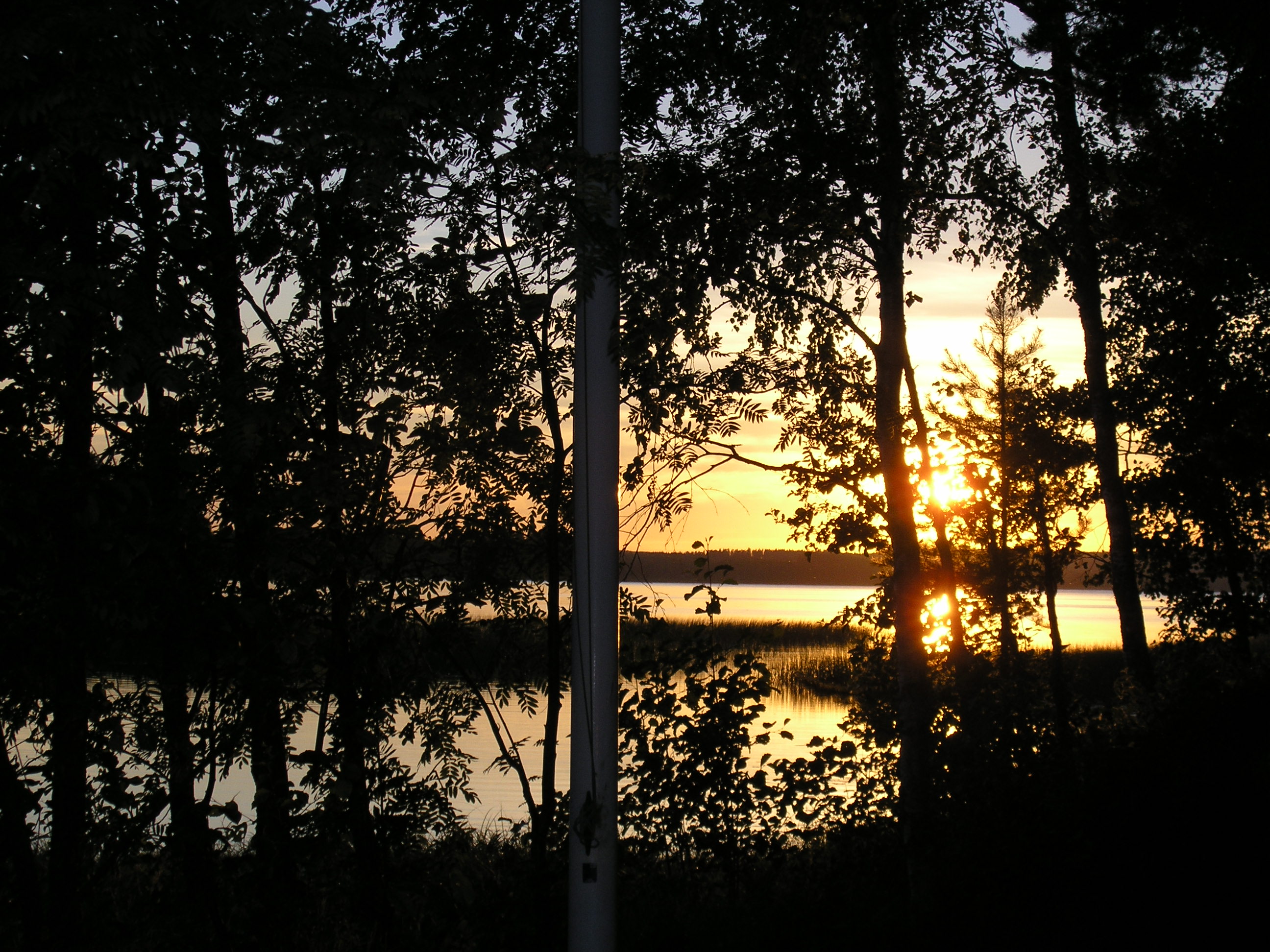
When I got back to Finland, the sun was already setting at night, summer was nearly finished and I went back to Canada.

If you missed the earlier parts of this best Arctic trip, you can read Part 1, Part 2, Part 3, Part 4.

And why did I write all this? Maybe to go beyond the restrictions of COVID-19 and to remember who I am?

My next best Arctic trip date may bring us to Greenland or Iceland…