 When I arrived in Cambridge Bay, Nunavut, this past September, I caught the last few warm, dry days of this year. And there were lots of snow buntings to make things lively.

The view from my friends’ house — where I would end up spending nearly two months, thanks to their incredible hospitality — included a view over to Mt. Pelly, about 20 kilometres away to the east.
During those first days of this year’s visit to Cambridge Bay, I took many long walks — and I visited with my many friends in the western Nunavut town of 1,700.
But I couldn’t help tracking and writing stories, first for this blog, and then, finally again, for Nunatsiaq News, as I returned to work.
There was no boredom ever for me during my visit, even on weekends.
So, what should you do if you’re lucky enough to visit Cambridge Bay — located a couple of hours by air north from Yellowknife in the Northwest Territories?
Here are some ideas:
• If you are around when a barge comes in, go down and watch everything be offloaded and stacked up on shore.
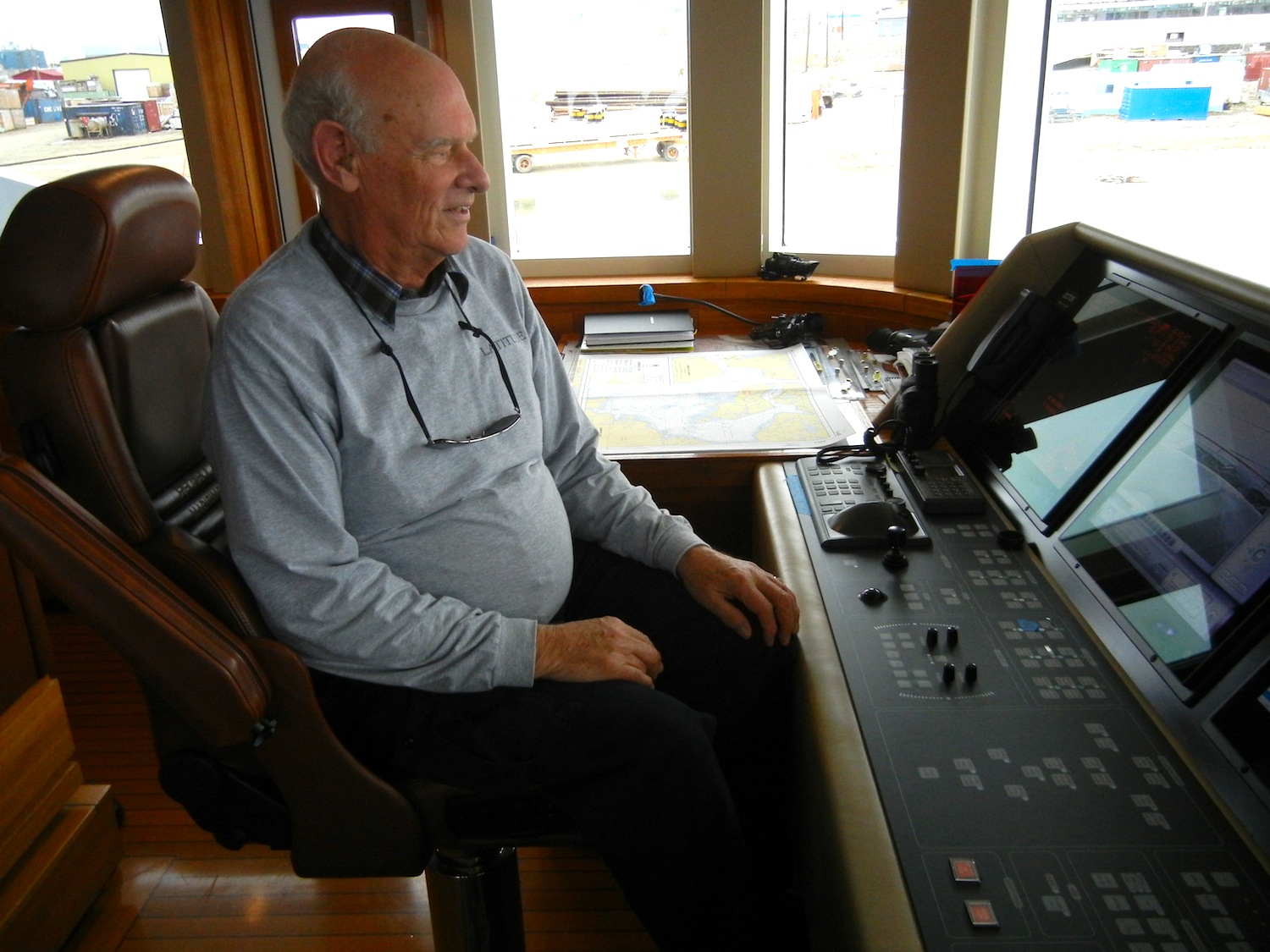
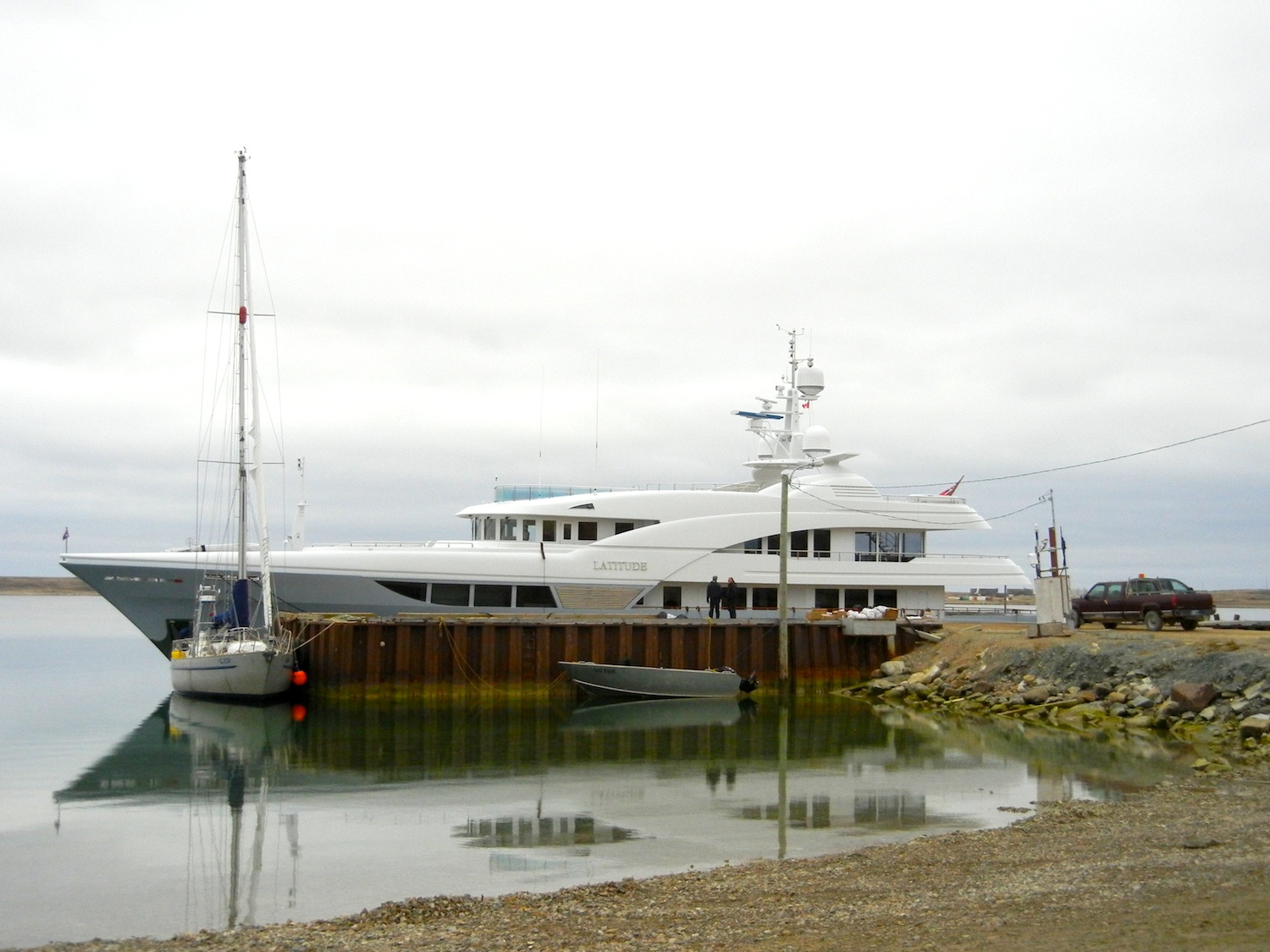
• Keep an eye on what’s happening at the dock — that’s where I met the folks from the ocean observatory and the yacht, the Latitude. Boats and ships travelling the Northwest Passage are always docked there in August and September.
• Walk to the airport and back. Have an expresso or latte at the Arctic Closet café at the airport.
On the return trip you’ll get a great view of Cambridge Bay with Mt. Pelly in the distance.
And you can check out the municipal golf course, called “Many Pebbles.”
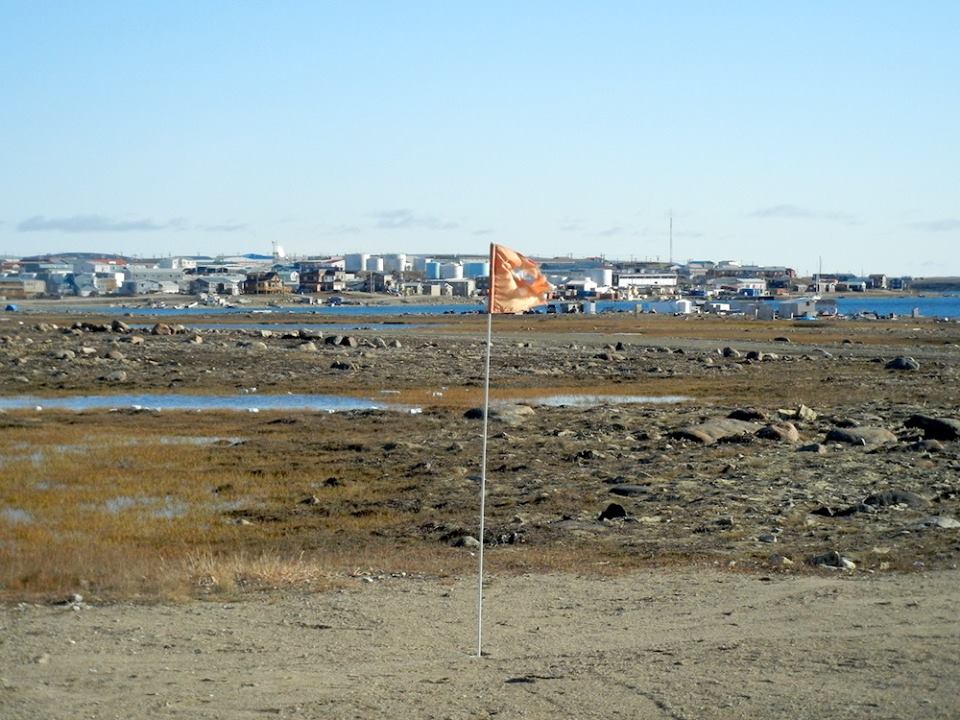
You can also get a view over to the Cam Main North Warning site (what do they do there anyway?)
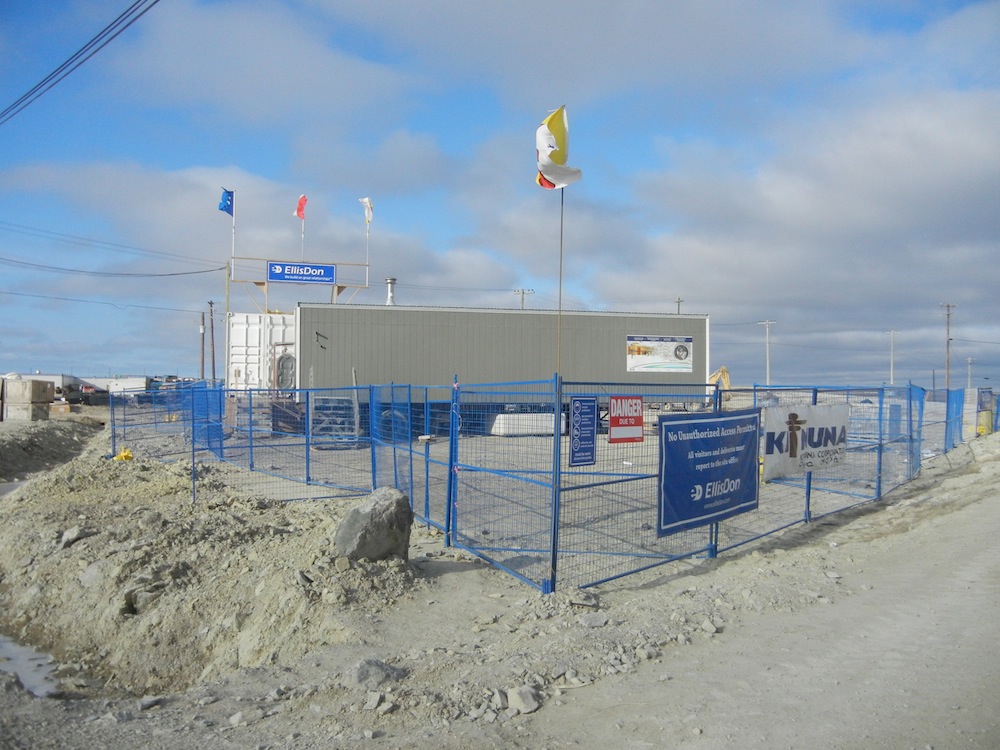
• Head over to the plateau on the way to Mt. Pelly to see what’s happening at the construction site of the Canadian High Arctic Research Station, set to open in 2017.
After that, continue on and peek into the dump — it’s probably Nunavut’s best landfill, but still some of the trash is whipped around by the wind and most of what can’t be reused locally is reduced by open burning.
Further on you’ll find cabins as well as the cemeteries, old and new.
Then, if you cross the bridge to your right, you’ll walk past the site of the old town site as well as a new park commemorating residential school students — and get a great view of the town beyond.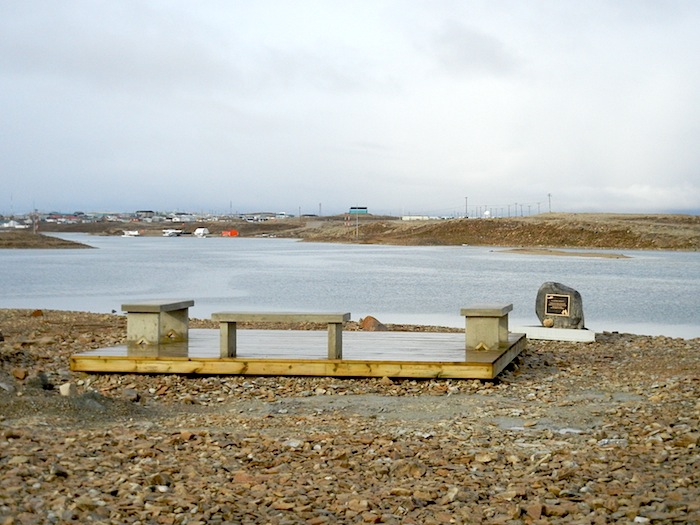
A little further on yet, you’ll arrive at the site of the Maud, Roald Amundsen’s ship, which may not be there too long if Norwegians are successful in 2015 in bringing the Maud back to Norway.
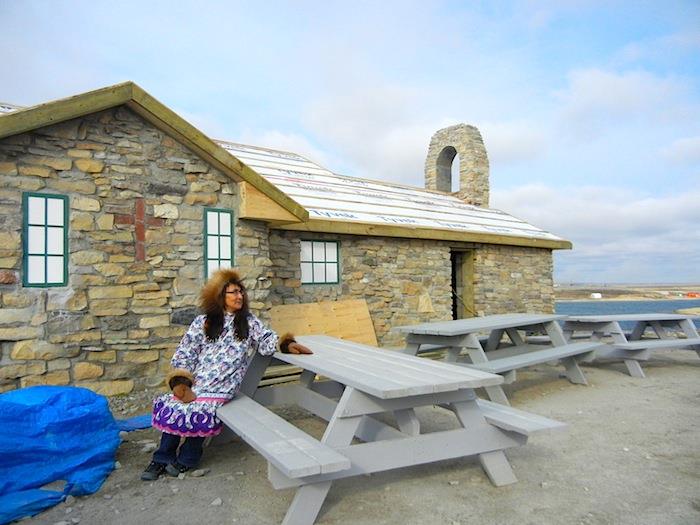
Down the road, there’s the newly renovated stone church built by Catholic missionaries, which celebrated its 60th anniversary in September 2014.
And close by is the Eagle, which ended up on shore there in 1954, when missionary Father André Steinmann bought the ship — but then was transferred back east.
Near to that, you might also still find some remnants of the Loran tower, erected in 1947, to be a navigational beacon for aircraft. Many of the community’s first houses were built using its plywood shipping crates. The Loran was torn down in 2014.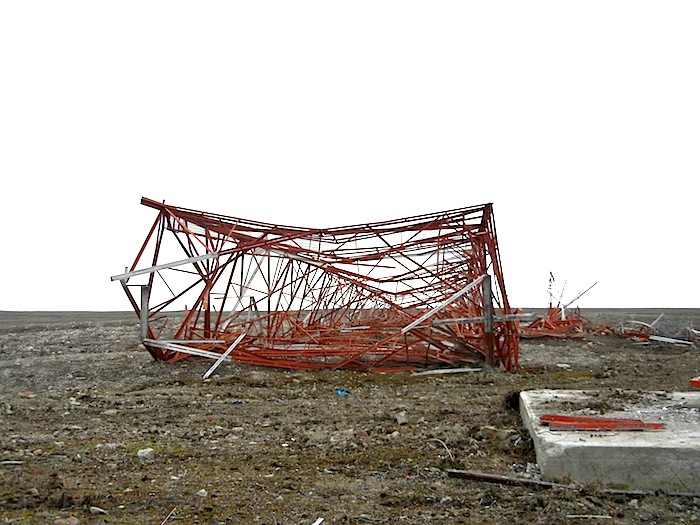
That’s a bit of a hike but you can always wave people down for lifts back to town!
• Walk around Cambridge Bay, check out the Northern and Co-op stores and see how much it costs to eat. And look at the bulletin boards to see what’s going on. There’s always some meeting or activity.
• Visit the new Kitikmeot Inuit Association building.

• Go to the May Hakongak Library and cultural centre: check out the cultural displays and look for some of the many Arctic-related books I gave to the library in 2011.
Elders, who work in the back on projects, put some of their handiwork for sale, too.
• Visit the Arctic Coast visitors centre — you can find more pamphlets there on what to do.
• Go to the Elks club early Friday evening and find someone to sign you in — you’ll make new friends and may be able to hang on to a drink token as a souvenir.

• Go to Sunday service (in English and Inuinnaqtun) at St. George’s Anglican Church — seeing the stained glass windows are worth going to see and you’ll be welcomed warmly.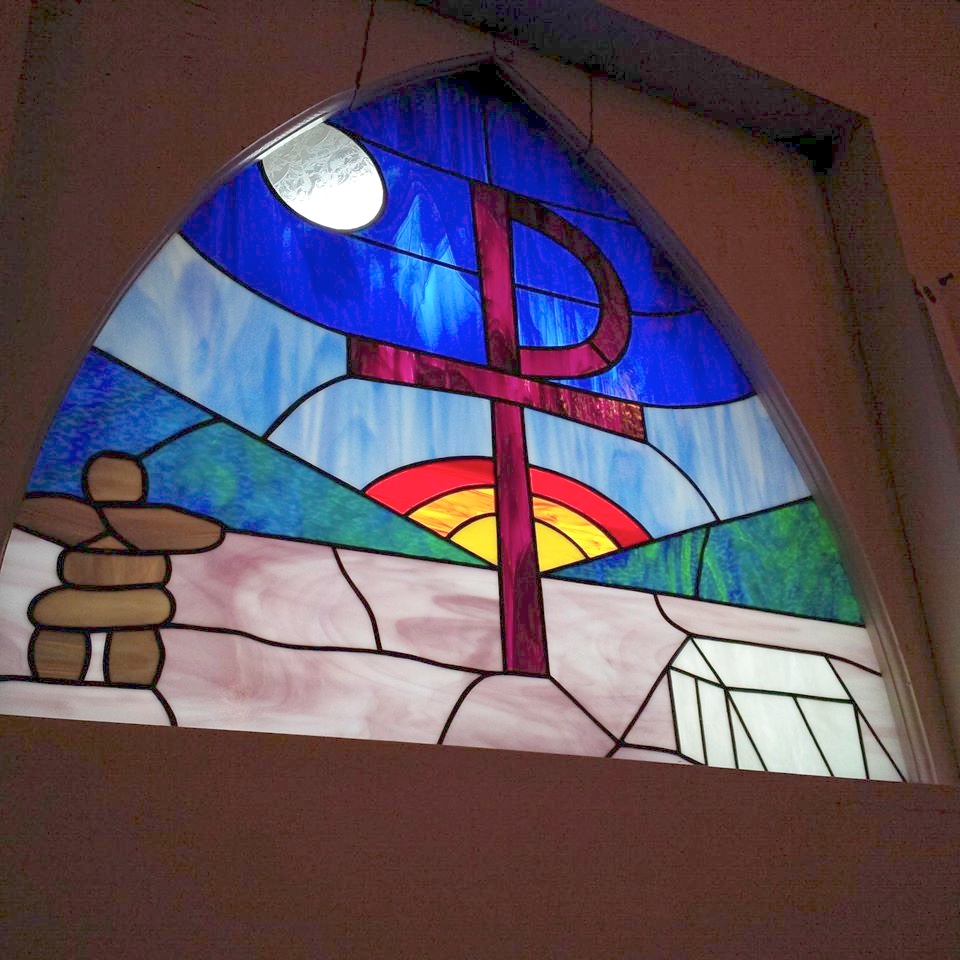
• Get up early and watch the sun rise.

• Don’t miss any of the sunsets (but to see them you’ll have to go outside the days of 24-hour sunlight and darkness.) They’re all different.
• Eat lots of Arctic char.
• Try to make friends with people who have vehicles and cabins — they’ll be able to navigate the bumpy roads and take you to see Mt. Pelly or Gravel Pit and beyond. Maybe you’ll see a muskox along the way.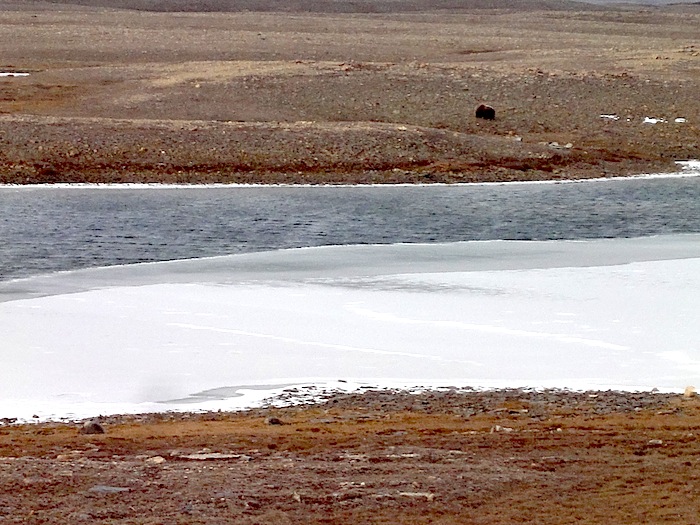
And you won’t want to miss a visit to Mt. Pelly.
From every angle, and particularly at sunset, when it catches the last rays, this flat esker of a mountain looks great.
• Arrive with good shoes, rubber boots and boots with spikes for when the roads freeze up and get slippery.
When I left Cambridge Bay in the end of October 2014, everything already looked different: the days were shrinking, temperatures often dropped into the minus 30 Cs with wind and my middle-weight parka was too light. And I was busier, too, back to work, covering back-to-back meetings, with less time to enjoy the scenery.
The view looked different from the front porch, too. But I was rewarded with amazing sights, including this pink-lit scene of ice crystals in the air at sunset as I walked back after work. Like heaven.
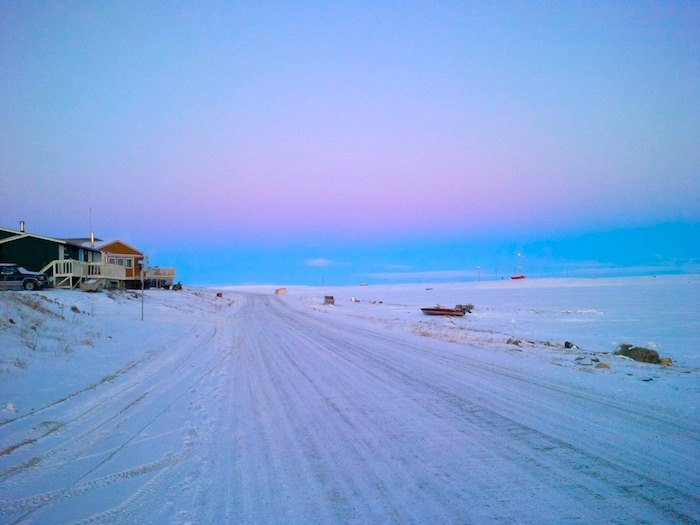
Can’t wait to get back.
Now that I am back at work, you won’t find as many new blog entries.
But if you missed previous posts, including the “Like an Iceberg” series, take a look here:
Positive attitude key to suicide prevention: Inupiaq TV star
CamBay ocean observatory stimulates local interest
Nunavut, still Canada’s youngest, fastest growing jurisdiction: StatsCan
A makeover for CamBay’s ocean observatory
Canada ignores Arctic infrastructure: veteran ice pilot
New roof, new life for CamBay’s old stone church
Two Arctic ships, two explorers: Franklin and Amundsen
Today, Arctic explorers take cruise ships
And from the “Like an Iceberg” series:
Like an iceberg: on being a journalist in the Arctic
Like an iceberg, 1991…cont.
Like an iceberg, 1991…more
Like an iceberg, 1992, “Shots in the dark”
Like an iceberg, 1992, “Sad stories”
Like an iceberg, 1993, “Learning the language of the snows”
Like an iceberg, 1993 cont., “Spring”
Like an iceberg, 1993 cont., “Chesterfield Inlet”
Like an iceberg, 1993 cont., more “Chesterfield Inlet”
Like an iceberg, 1994: “Seals and more”
Like an iceberg, 1994, cont., “No news is good news”
Like an iceberg, 1994 cont., more “No news is good news”
Like an iceberg, 1994 cont., “A place with four names”
Like an iceberg, 1995, “More sad stories”
Like an iceberg, 1995 cont., “No place like Nome”
Like an iceberg, 1995 cont., “Greenland”
Like an iceberg, 1995, cont. “Secrets”
Like an iceberg, 1996, “Hard Lessons”
Like an iceberg, 1996 cont., “Working together”
Like an iceberg, 1996 cont., “At the edge of the world”
Like an iceberg, 1996, more “At the edge of the world”
Like an iceberg, 1996, cont. “Choices”
Like an iceberg, 1997, “Qaggiq”
Like an iceberg, 1997, more “Qaggiq”
Like an iceberg, 1997, “Qaggiq” cont.
Like an iceberg, 1997 cont., “Qaggiq and hockey”
Like an iceberg, 1997 cont., “Brain surgery in POV”
Like an iceberg, 1997 cont.: “Masks on an island”
Like an iceberg, 1997 cont., “Abusers on the pulpit”
Like an iceberg, 1998, “Bearing gifts”
Like an iceberg, 1998 cont., “At the top of the world”
Like an iceberg, 1998 cont., “A bad week”
Like an iceberg, 1998 cont.: more from “A bad week”
Like an iceberg, 1998 cont., “Memories”
Like an iceberg, 1999, “The avalanche”
Like an iceberg, 1999 cont., “An exorcism, followed by a penis cutting”
Like an iceberg, 1999 cont., more on “the Avalanche”
Like an iceberg, 1999 cont., “Robins in the Arctic”
Like an iceberg, 1999 cont., “Fossil hunting”
Like an iceberg, 1999 cont., “Where forests grew”
Like an iceberg, 1999 cont.,”And then there was Nunavut”
Like an iceberg … the end


 A date with Siku girl